big update
March 2026
A lot has happened for us over the past month, from the launch of our first mandatory course, the launch of 'Pearl', your AI Parenting Companion, a special mention in an Ofsted Report, new members to our voluntary associate team and being shortlisted as a finalist in the Stars of Children & Young People Awards!
I also had the pleasure of virtually dropping into a meeting with carers at To the Moon and Back Foster Care and Hope Fostering Services. It was great to show them the Academy and our new companion app 'Pocket Wise', which is designed to help 11 to 18 year olds become more financially aware.
I also had the opportunity to demo the Academy with a couple of fostering agencies and local authorities and gained another volunteer Associate who loved what they saw so much they wanted to be involved in shaping it.
I also had the pleasure of virtually dropping into a meeting with carers at To the Moon and Back Foster Care and Hope Fostering Services. It was great to show them the Academy and our new companion app 'Pocket Wise', which is designed to help 11 to 18 year olds become more financially aware.
I also had the opportunity to demo the Academy with a couple of fostering agencies and local authorities and gained another volunteer Associate who loved what they saw so much they wanted to be involved in shaping it.
Photo: Busy working on our Allegations course (while sat in a Trampoline Park letting the kids let off some steam after a busy week)
This was a great course. Having attended lots of safeguarding and safer caring courses, this was engaging, kept my interest and was a nurturing but factual way to do the course.
I loved the focus on noticing subtle changes in young people and encouraging curiosity and early sharing of concerns.
I loved the focus on noticing subtle changes in young people and encouraging curiosity and early sharing of concerns.

alison | registered manager
We've also begun updating some of our podcast-style courses to improve the listening experience.
One of the courses we did this with is 'Children in Care & Lying'. This is our most popular course so if you haven't taken a listen, why not visit the course.
One of the courses we did this with is 'Children in Care & Lying'. This is our most popular course so if you haven't taken a listen, why not visit the course.
Welcome New Associates
Dr Jocasta Webb
Jocasta is a qualified and experienced trauma specialist psychotherapist and has spent much of her career working with children, young people and adults who have experienced trauma. She has been part of the therapy team at Assist Trauma Care, a charity providing high quality trauma psychotherapy nationally, for nearly 15 years.
She is also the Clinical Lead for To the Moon and Back Foster Care, where she provides a reflective space to both the Supporting Social Workers and Foster Carers, is also infuses the team with her therapeutic knowledge and expertise.
Jocasta has just published the first book in a series, titled 'The Four Faces of Love', which seeks to entice children to go on a journey of self-discovery and enlightenment, and to stimulate the development of empathy, resilience, ethics, kindness and gratitude.

99% of feedback rate our support & tools as Very Good or Excellent
What Carers & Professionals Say
Understanding Kinship Care: Insights from the Handle With Care Report, 2025
Lovely to hear Kinship voices. It’s lovely to hear a good explanation of kinship. A lot of people have never heard of Kinship before.

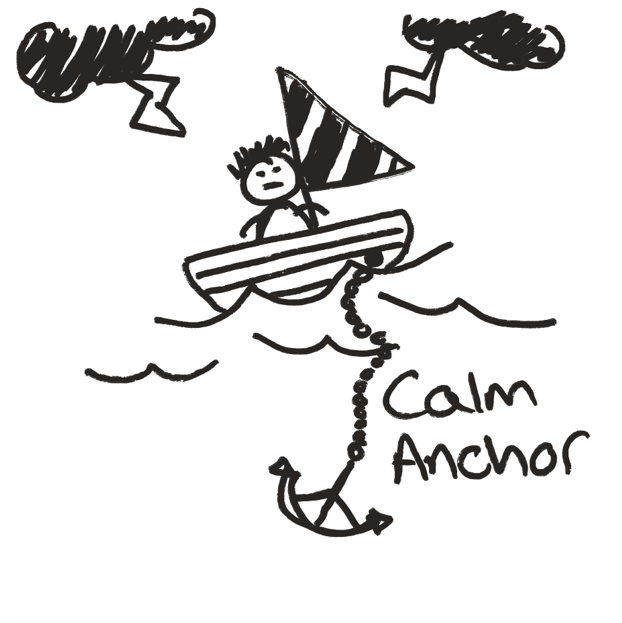
Creating a Healing Home: Becoming the Calm Anchor
So simple to follow. The 10 steps are great and not difficult to put in place and achieve. I love the way that it gives clear outcomes and advice on children who maybe reluctant to engage too. Love this.
Podcast: Children in Care & Lying
Loved that it was brief but really explained well the reasons behind lying. Breaking it down has helped me understand why a child may be lying and how we can move forward together therapeutically.
Creating Consequences That Teach, Not Punish
This has helped me a lot to understand my children and what choices I can offer. The course is fantastic!
Shame in Traumatised Children
We have received so much training in PACE over our fostering career but this is the first course which has directly linked shame as the primary emotion driving most of our three girls’ behaviours so thank you for giving such a clear, concise explanation.
Toxic Masculinity and the Manosphere
Great course and good insight into what children and young people have to navigate in a modern online world on a daily basis.
Sibling Rivalry & Trauma
Simple, straightforward and PACE based advice. All of the scenarios were so relatable. Resources are brilliant and will be so useful, without being tricky or expensive to source. I love the modelled 'script' approach which provides useful phrases when things escalate.
Podcast: Children in Care & Lying
It opened my eyes to Therapeutic parenting and opened my mind to PACE.
Creating Consequences That Teach, Not Punish
Very good course! You put across the point about achieving the natural way to set consequences in a child friendly way.
I liked the three R’s and the way to put it into a table. This shows how well it can work with the young person.
I liked the three R’s and the way to put it into a table. This shows how well it can work with the young person.

When Children Have Lived with Domestic Abuse
Thank you, really useful bite-sized course. These are always helpful to consolidate knowledge.
Podcast: Children in Care & Lying
It opened my eyes to Therapeutic parenting and opened my mind to PACE.
Podcast: PACE, DDP & the Five Pearls
Very well put together course. Easy to follow and understand despite the amount of information; explanations about earlier life traumas children carry within, and the therapeutic manner, DDP and PACE, foster carers can adopt to help children and young people learn self-regulation and improve their self- esteem.

The Academy, under the company name 'Pink Pearl Consulting Limited' has achieved the government-backed Cyber Essentials Certification.

Awards & Recognition
Created with