Pocket Wise
Building financial confidence and independence, together.
What Pocket Wise Is
Pocket Wise is a web based financial capability app designed for carers and young people to use together. It provides a structured, psychologically safe space to practise adult money management before the stakes are real.
Each young person creates a character and chooses how they enter the experience. Some prefer realistic terminology. Others choose Adventure World, where money becomes “Credits” and savings become a “Mission Reserve”. Underneath the language, the maths, budgeting structure and executive functioning skills remain identical.
Young people then choose their starting pathway. They can enter full time work, with earnings, tax and national insurance applied using current UK rates across England, Scotland, Wales and Northern Ireland. Or they can choose university or further education, where income reflects realistic maintenance loans and, where relevant, typical bursaries for care experienced students.
The app adapts to pathway and nation so figures feel credible, while keeping the learning consistent. It is designed to become part of family life, used weekly as a calm conversation rather than an inspection.
Walkthrough
Click or swipe through the screens
Designed with Trauma in Mind
A safe space to practice
- Red warning screens
- Public comparisons
- Leaderboards
- Punitive mechanics
- Financial penalties
- Effort over perfection.
- Reflection over reaction.
- Adjustment as strength.
Why this matters
Name Your Character
Creating a safe space to practise
- They choose a name.
- They choose a colour.
- They choose an icon.
- Real World
- Adventure World
Why this matters
- “I messed up.”
- “I’m bad with money.”
- “I always get it wrong.”
- You are not being judged.
- You are practising.
- You are in charge of this space.
Choosing the Path Forward
Practising adult decisions without real world consequences
They decide whether their character starts with:
Full-time Work or University or Further Education.
This choice shapes income, outgoings and financial pressures for the month ahead.
Full-time Work means earning immediately. Regular income begins straight away. Bills arrive straight away too.
University or Further Education delays full income. There may be student finance. There may be part-time work. Costs look different. Time looks different.
Neither option is presented as better. Both are valid pathways. Both require planning. Both come with trade-offs.
The young person is not told which route to take.
They choose. This is deliberate.
The app does not assume one version of adulthood. It presents two realistic starting points and allows the young person to explore how each affects financial stability.
Underneath the narrative, the budgeting mechanics remain structured and consistent.
What changes is the starting position. And that starting position influences every decision that follows.
Why this matters
- “What are you going to do?”
- “Have you thought about your future?”
-
“You need a plan.”
These questions can feel loaded with judgement.
Pocket Wise reframes the future as a scenario to explore rather than a decision to defend.
The young person is not declaring their real life intention.
They are testing a model. This reduces performance pressure. It also introduces something crucial, cause and effect.
Different starting points create different financial realities. Regular wages create stability but limit study time. Student pathways create opportunity but require tighter budgeting.
Young people begin to see that adulthood is not about getting it right. It is about understanding consequences and adapting. Importantly, the choice reinforces autonomy.
No pathway is imposed. No narrative is assumed. They are invited to explore.
For young people who may not always have felt in control of major life decisions, even simulated control builds confidence.
And confidence, when paired with structured learning, builds competence.
They are not being asked to decide their future. They are being given space to practise thinking about it. That distinction matters.
Understanding Your Starting Position
Making funding realistic and relevant
- Foster Care.
- Kinship Care.
- Neither.
This is not about labels. It is about accuracy.
Different care experiences can lead to different funding entitlements, bursaries and financial support options.
A young person who has been in local authority foster care may be entitled to specific leaving care grants or higher education bursaries. A young person in kinship care may have different support routes depending on their legal status. Others may not have access to additional care-related funding at all.
Rather than assuming one financial pathway, Pocket Wise adjusts the student finance model accordingly. Maintenance loans, bursaries and grants reflect the selected situation. The budgeting remains structured and consistent, but the income sources become more realistic.
The question is framed simply. There is no interrogation. No additional explanation required. Just a selection that quietly informs the financial simulation behind the scenes.
The goal is not to categorise the young person. It is to ensure that when they practise budgeting as a student, the numbers reflect the kind of support they might actually receive.
Pocket Wise should not be used as financial advice. Although the information around student funding is realistic, carers should check current and local guidance before making any decisions.
Why this matters
By adjusting the financial model to reflect foster care or kinship care status, Pocket Wise introduces realism without overwhelm. It acknowledges that starting points are not equal, and that this is a structural reality rather than a personal failing.
Importantly, the question is handled neutrally. It does not spotlight vulnerability. It simply ensures the scenario reflects real life. For young people who may already feel defined by their care history, the tone matters. This is about financial accuracy, not identity.
It also opens the door to informed conversations with carers and professionals. If a young person selects Foster Care and sees additional bursary income appear, that can prompt practical discussion. Have we applied for this? Do we understand the eligibility criteria? If they select Kinship Care and see fewer grants, that too becomes an opportunity for clarity rather than assumption.
At its core, this feature reinforces something subtle but powerful. Your background influences your financial options. Understanding that influence helps you plan. And planning, when grounded in information that is realistic and relevant, builds confidence rather than confusion.
Choosing a Job
Connecting money to real life
Why this matters
Impact of Tax
Turning curiosity into confidence
Why this matters
Linking School Maths to Adult Life
"When will I ever use Maths?"
Why this matters
Fixed Monthly Costs
Understanding what must be paid first
- Rent.
- Utilities.
- Phone.
- Internet.
- Subscriptions.
Here, the carer and child have assumed they the child will be living in a shared house with two friends when they've grown up and left home.
Why this matters
Allocate Spending
Learning to divide money with intention
Why this matters
- Spending is spread across time.
- Resources are finite.
- Timing affects availability.
Weekly Planning Hub
A calm space to monitor, adjust and reflect
Why this matters
Real Life Moment
Practising decisions before they matter
Why this matters
Spending Update & Daily Allowance
Seeing the maths in action
- £60.00 left for Food this month.
- 13 days remaining.
- £60.00 ÷ 13 = £4.62 per day.
Why this matters
- Numeracy confidence
- Time awareness
- Cause and effect thinking
- Planning across days
Savings Pots
Turning goals into something visible
- A name, such as “Shoes”
- A clear savings goal
- A visual progress bar
- A live percentage showing how close they are
- Goal: £170
- Saved so far: £0
- Progress: 0%
Why this matters
- “You are capable of planning.”
- “You are capable of reaching goals.”
- “You can shape your own future.”
Monthly Review
Turning numbers into insight
- Total surplus or shortfall
- What was spent in each category
- What was originally allocated
- Savings progress
- Skills demonstrated
- A short reflection prompt
Why this matters
- Cause and effect
- Pattern recognition
- Delayed consequences
- Strength based feedback
- “This is what happened.”
- “This is what you learned.”
- “These are the skills you used.”
- “I can plan.”
- “I can adapt.”
- “I can improve.”


Awards & Recognition


Policies
Copyright © 2026, Pink Pearl Consulting Limited, registered in England & Wales, no. 16232207.

What this pearl is all about
What you could say in the moment
(Said softly, perhaps while offering a reassuring hand on the shoulder if welcomed, conveying that you are not angry and will stay by the child’s side until the emotional waves settle.)

What this pearl is all about
What you could say in the moment
(This phrasing invites the child to explain, without outright accusing them of lying. It uses "I wonder" instead of "You’re lying", signalling curiosity. You might even playfully put on “magic truth glasses” with your fingers, if age-appropriate, to lighten the moment and show the child they’re not angry.)

What this pearl is all about
What you could say in the moment
(This script explicitly assures the child of your enduring acceptance. Phrases like “no matter what” and “nothing will change that” directly address fear of rejection. You might literally open your arms like a shield or put an arm around the child if appropriate, to physically reinforce the feeling of protection and safety.)
What this pearl is all about
What you could say in the moment
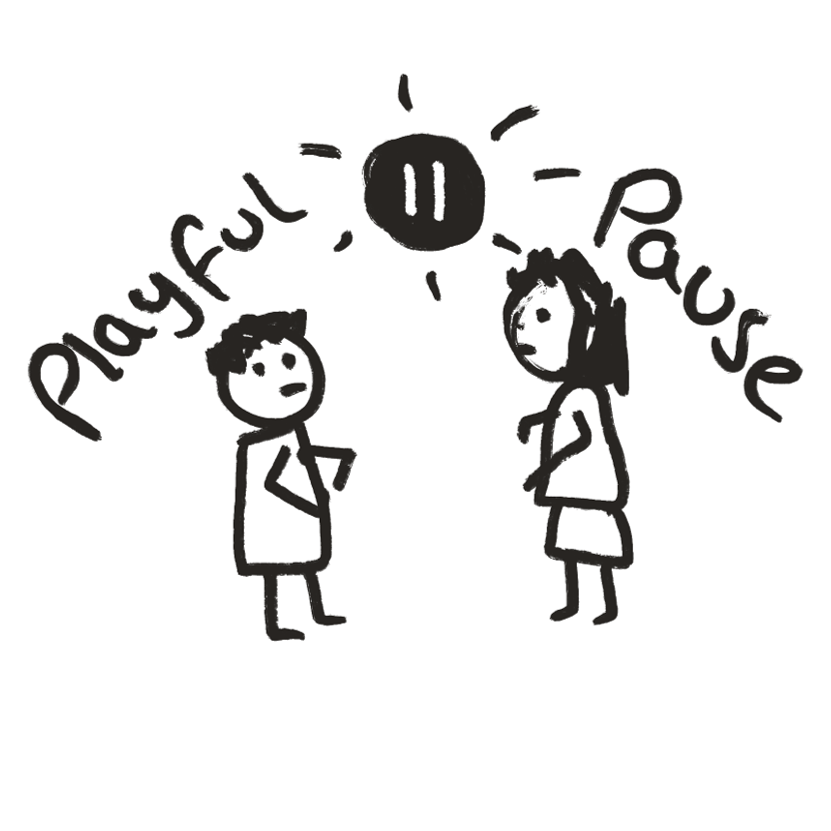
In this playful script, you create a tiny imaginative game (“Defiance Dragon”) to externalise the child’s defiance as something we can team up against playfully. The exact script can vary widely by age (for a teenager, humour might be more understated, like you suddenly doing a goofy dance and saying “Ugh, what a morning – shall we hit reset and start over?” with a grin). The essence is to surprise the child out of the stuck position with levity. Your willingness to be a bit silly shows the child it’s safe to drop their guard. Once the child smiles or giggles, even briefly, the emotional climate shifts – we (you and the child) are connected again, and the task or issue can often be revisited with less resistance.
What this pearl is all about
What you could say in the moment
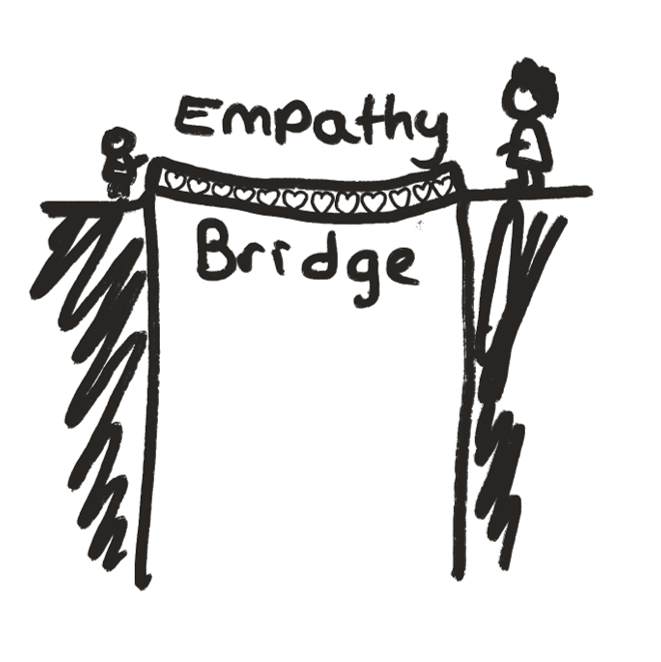
(In this script, you're naming and normalising the child’s likely feelings, showing empathy: “I’d feel the same if I were in your shoes.” There’s also an explicit assurance of presence: “I’m here… I’m not going anywhere,” which is crucial for a child worried about being given up on. The tone is gentle, not demanding a response. You might sit quietly nearby, or leave a soft toy or drawing materials as an invitation. The child then knows the bridge is there whenever they are ready to cross back into interaction. Even if the child doesn’t respond immediately, such messages sink in and over time the child will trust that the carer truly cares and empathises with them.)
Demo of Navigating our Courses