Learning, Tools & Support for Adults Supporting Children
-
700+
Parents, carers and professionals -
99%
Rate learning Very Good or Excellent -
Award Winning
International recognition for learning innovation -
Designed For
Fostering, kinship, supported lodgings, residential care and education
Unlike traditional training platforms, Academy learning adapts to the realities of each role, making content more relevant, practical and immediately usable.


£20 per Foster Parentor Kinship Carer
-
Unlimited Academy Access - for the whole year
-
No minimum purchase — pay for the carers you have today
-
Complimentary wider-team access — eligible staff, prospective carers and support network
-
No VAT currently payable — the price you see is the price you pay
We don't think a new or smaller fostering service should have to buy accounts it doesn't need. Pay for the Foster Parents and Kinship Carers you have today, then add more as your service grows.
Just getting started?
6 Foster Parents
6 x £20
£120 / year
Your eligible staff, prospective carers and support-network members can also receive Academy access at no additional cost.
We don't think a new or smaller fostering service should have to buy accounts it doesn't need. Pay for the Foster Parents and Kinship Carers you have today, then add more as your service grows.
paid membership
50 Foster Parents | 50 x £20
£1,000 / year
Also included at no additional cost
10 Staff
3 Associates
4 Prospective Foster Parents
20 Connected Carers within support networks
How the Academy Supports Good Ofsted & CIW Outcomes
Supports Key Ofsted & CIW Expectations
The Academy helps agencies demonstrate that carers are supported with practical learning, tools, and guidance that strengthen everyday care.
Aligned With National Minimum Standards
Our trauma-informed learning, tools, and guidance help carers build the skills and understanding they need to meet children’s emotional and behavioural needs.
Strengthens Evidence for Inspection
Practical Tools That Improve Daily Care
Practice-Led Standards that Matter in Fostering
Our learning is designed around the standards and expectations that matter most in fostering, where real-world impact, therapeutic insight, and day-to-day practice are more meaningful than generic accreditation.
What Makes the Academy Different
Designed by people with lived experience
The Academy was created by foster parents who understand the realities of supporting children through trauma, loss, instability and change. Content is rooted in real-life experience and the challenges adults face every day.
Shaped by experts and practitioners
The Academy is informed by foster parents, therapists, educators, social workers and sector specialists. This helps ensure learning remains practical, relevant and grounded in real-world experience.
Practice-led learning, not generic training
Learning is designed to support parents, carers and professionals in real situations, helping them make better decisions, build stronger relationships and respond with greater confidence.
Designed for immediate use in real life
Each course and tool is designed to help adults know what to do today, not just what to understand in theory. Practical guidance supports decision-making in homes, schools and care settings.
Mapped to recognised standards and best practice
Learning is aligned to fostering standards, safeguarding expectations and recognised good practice. This helps organisations evidence learning while keeping the focus on real-world impact.
Recognised as CPD activity
Learners can download certificates showing course titles and learning duration, helping organisations record professional development and evidence ongoing learning.
Built using award winning learning design
The Academy combines lived experience with over 25 years of professional learning design expertise, creating learning that is engaging, accessible and effective for busy adults.
Built with the sector, not in isolation
The Academy continues to evolve through partnerships with fostering services, local authorities, schools and practitioners, helping ensure content reflects the realities of frontline practice.
Tailored to different roles
The same core principles apply across fostering, kinship care, education, residential care and supported lodgings. Learning adapts through role-specific examples, scenarios and guidance that reflect the realities of each setting.
in-the-moment support
Our Companion Apps
Because support doesn't start and end with courses
Click or swipe through these apps
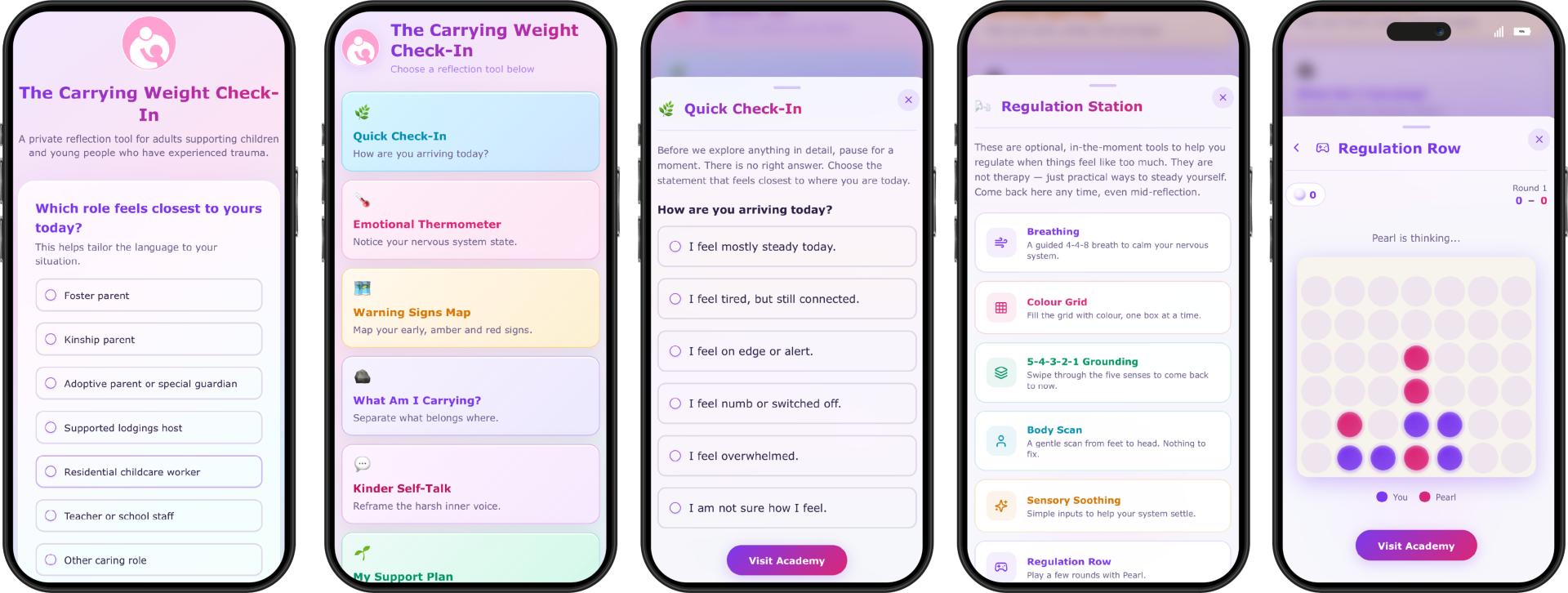
Carrying Weight

The app isn't about diagnosis or judgement. It's about helping you pause, notice what you may be carrying, and identify practical steps that can help when you're feeling stretched, overwhelmed or simply in need of a moment to regroup.
Pull Away
Write your awesome label here.
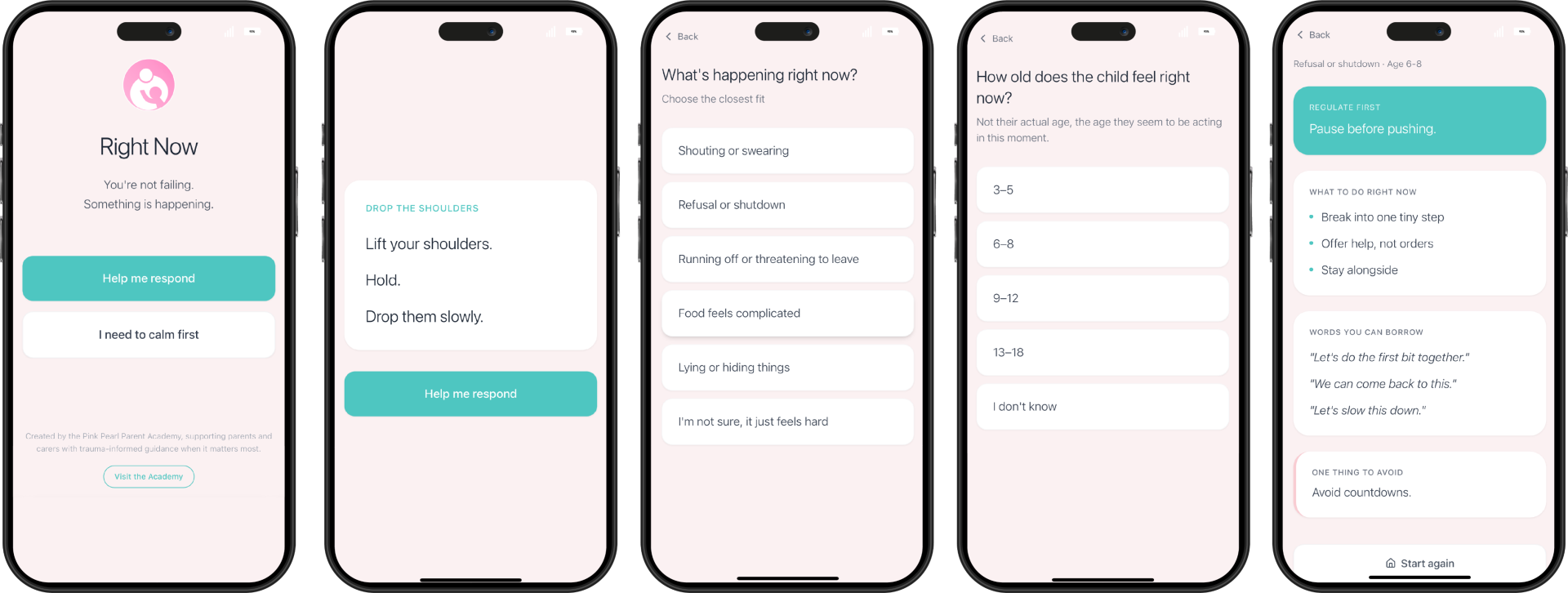
The app offers in-the-moment guidance, therapeutic scripts, behaviour insights and safeguarding tools to help parents respond calmly, understand what may sit beneath behaviour, and protect both relationships and placement stability.
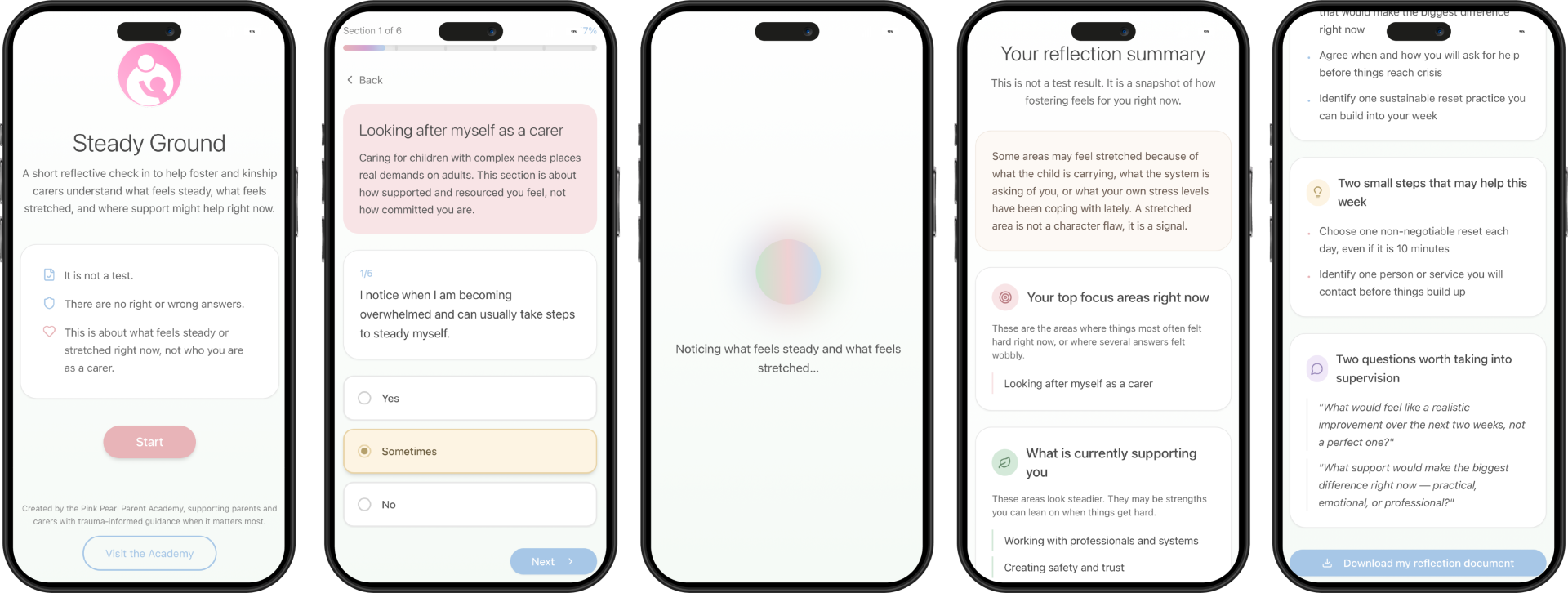
Steady Ground

Right Now

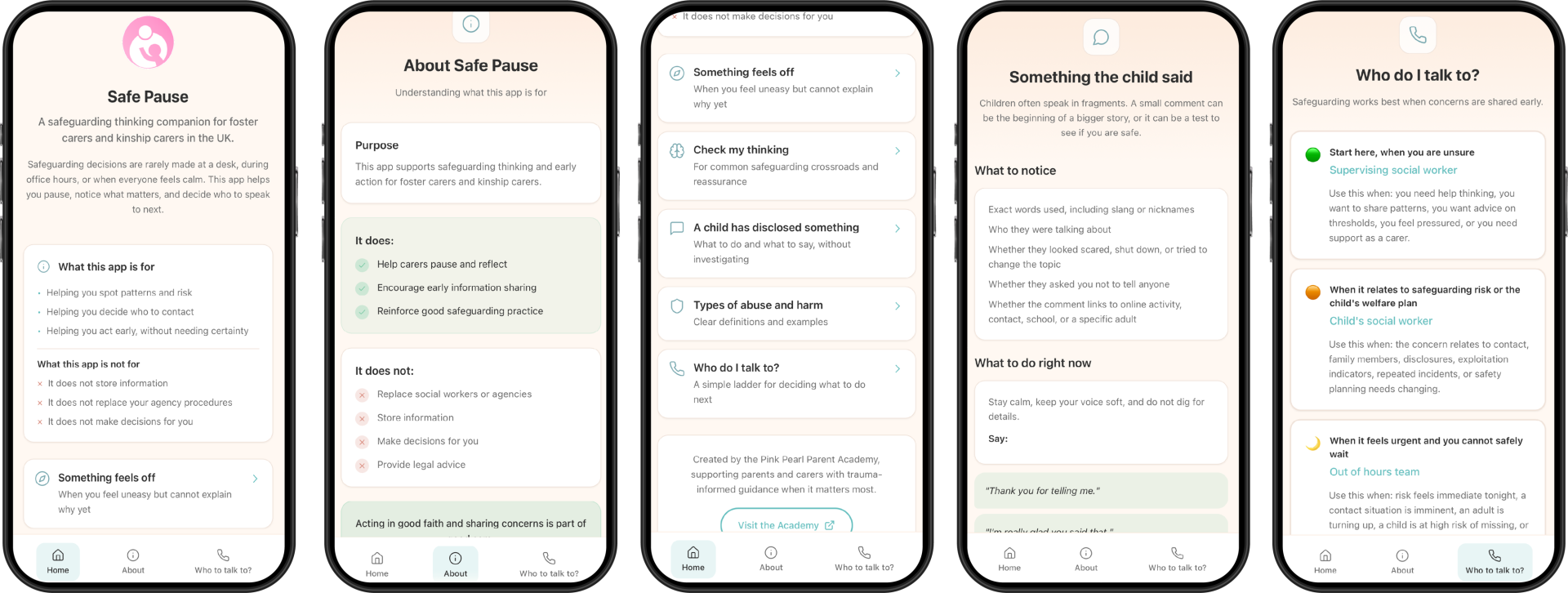
Safe Pause

It doesn’t make decisions for you. It just helps you pause and think.
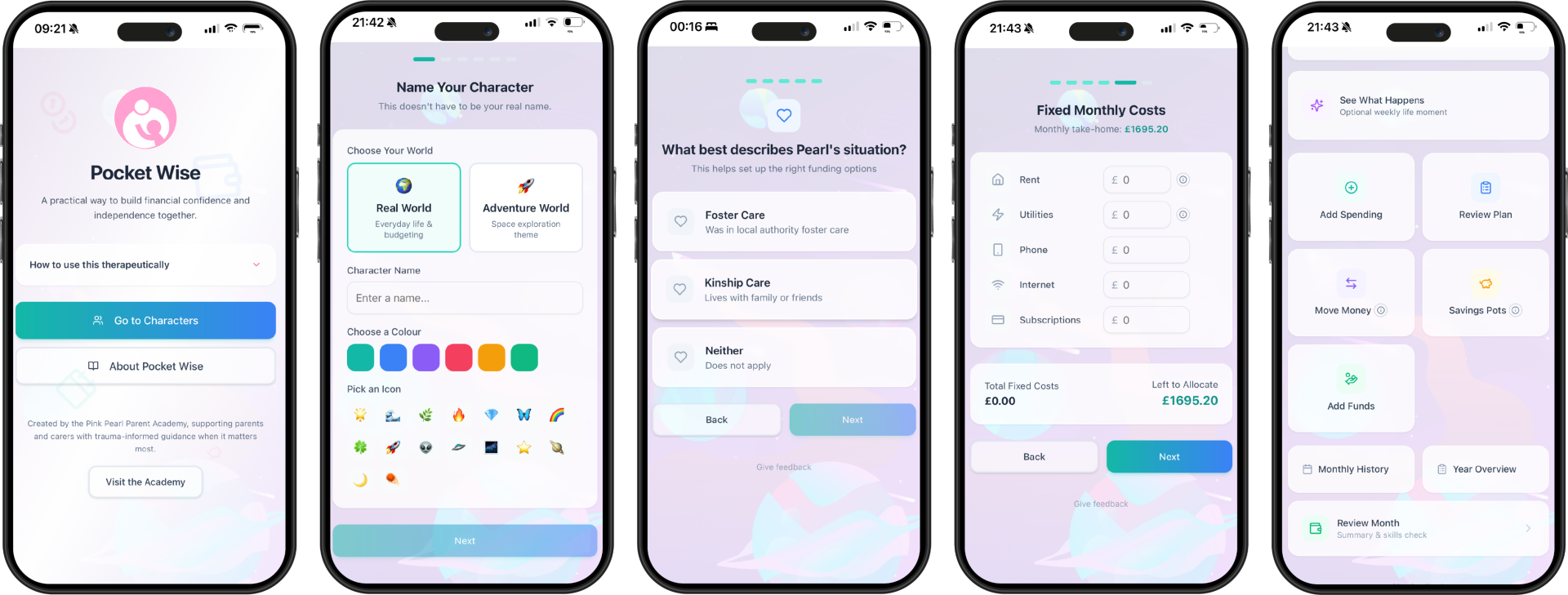
Pocket Wise

Young people can practise in a Real World setting or choose an Adventure World, where the same skills are developed through a narrative lens.
The structure stays steady. The skills stay strong. The entry point adapts.
What Parents & Professionals Say
Understanding Kinship Care: Insights from the Handle With Care Report, 2025

Safeguarding in Foster and Kinship Care
I've been a social worker for 22 years and have taken helpful links and strategies that I will use in my everyday practice.

Podcast: Children in Care & Lying

Creating a Healing Home: Becoming the Calm Anchor

Shame in Traumatised Children

Toxic Masculinity and the Manosphere

Sibling Rivalry & Trauma

Podcast: Children in Care & Lying

Creating Consequences That Teach, Not Punish
I liked the three R’s and the way to put it into a table. This shows how well it can work with the young person.

When Children Have Lived with Domestic Abuse

Podcast: Children in Care & Lying

Podcast: PACE, DDP & the Five Pearls


Awards & Recognition


Policies
Copyright © 2026, Pink Pearl Consulting Limited, registered in England & Wales, no. 16232207.

What this pearl is all about
What you could say in the moment
(Said softly, perhaps while offering a reassuring hand on the shoulder if welcomed, conveying that you are not angry and will stay by the child’s side until the emotional waves settle.)

What this pearl is all about
What you could say in the moment
(This phrasing invites the child to explain, without outright accusing them of lying. It uses "I wonder" instead of "You’re lying", signalling curiosity. You might even playfully put on “magic truth glasses” with your fingers, if age-appropriate, to lighten the moment and show the child they’re not angry.)

What this pearl is all about
What you could say in the moment
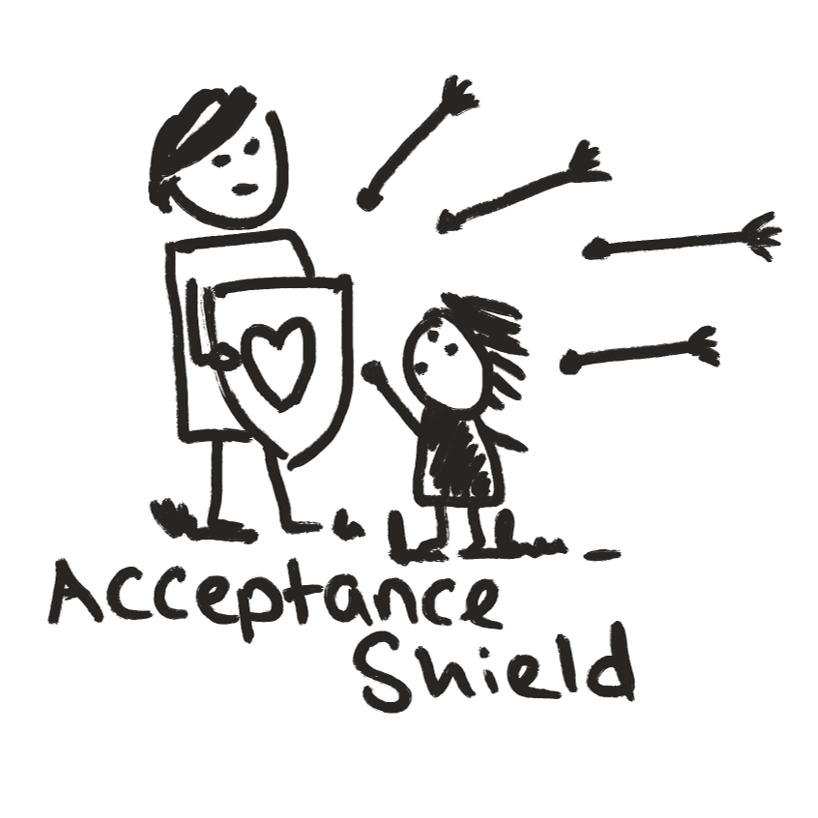
(This script explicitly assures the child of your enduring acceptance. Phrases like “no matter what” and “nothing will change that” directly address fear of rejection. You might literally open your arms like a shield or put an arm around the child if appropriate, to physically reinforce the feeling of protection and safety.)

What this pearl is all about
What you could say in the moment
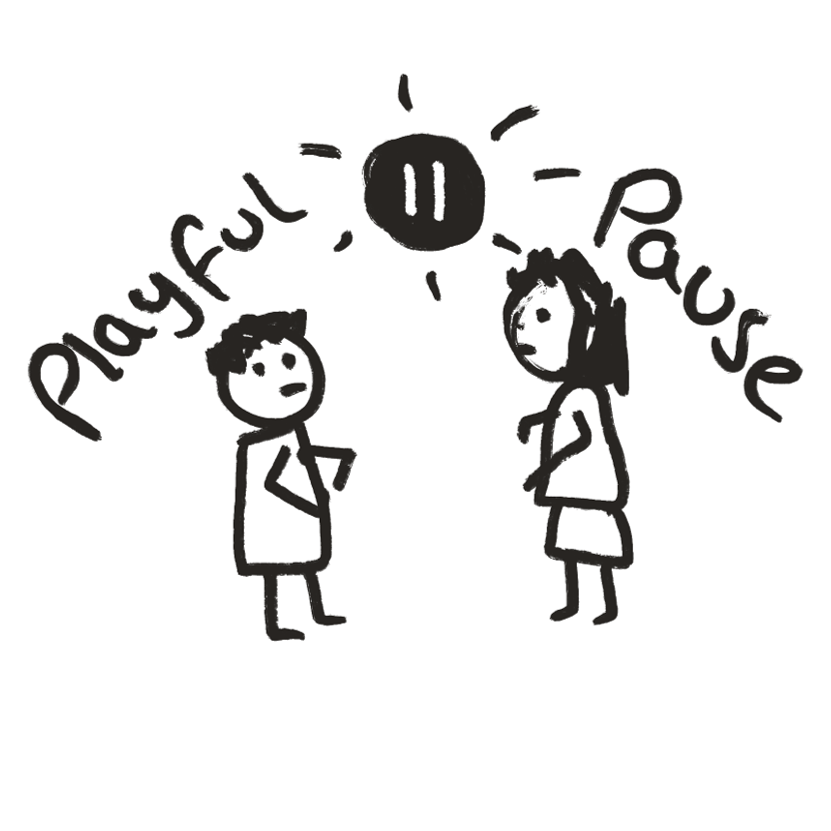
In this playful script, you create a tiny imaginative game (“Defiance Dragon”) to externalise the child’s defiance as something we can team up against playfully. The exact script can vary widely by age (for a teenager, humour might be more understated, like you suddenly doing a goofy dance and saying “Ugh, what a morning – shall we hit reset and start over?” with a grin). The essence is to surprise the child out of the stuck position with levity. Your willingness to be a bit silly shows the child it’s safe to drop their guard. Once the child smiles or giggles, even briefly, the emotional climate shifts – we (you and the child) are connected again, and the task or issue can often be revisited with less resistance.

What this pearl is all about
What you could say in the moment
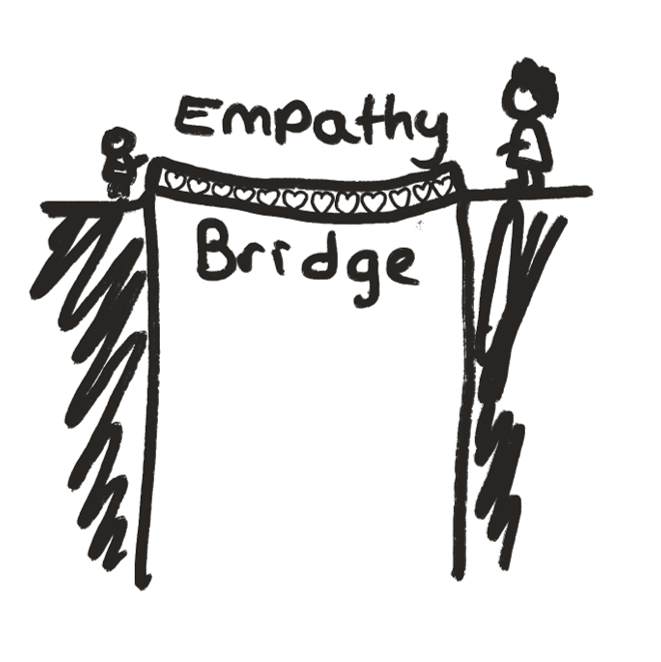
(In this script, you're naming and normalising the child’s likely feelings, showing empathy: “I’d feel the same if I were in your shoes.” There’s also an explicit assurance of presence: “I’m here… I’m not going anywhere,” which is crucial for a child worried about being given up on. The tone is gentle, not demanding a response. You might sit quietly nearby, or leave a soft toy or drawing materials as an invitation. The child then knows the bridge is there whenever they are ready to cross back into interaction. Even if the child doesn’t respond immediately, such messages sink in and over time the child will trust that the carer truly cares and empathises with them.)