Sexualised Behaviour - What's Typical? What's Concerning?
-
Length: 15 minutes

Course Overview
When sexualised behaviour shows up in children, it can leave carers feeling unsure, anxious, or even frightened.
This short interactive podcast helps you build confidence in recognising what’s developmentally typical and what might need closer attention.
Through eight realistic scenarios, you’ll hear examples drawn from real experiences, from playful curiosity to more concerning patterns that require support. You’ll decide whether each behaviour is typical or concerning, then listen as a therapeutic expert explains why.
Guided by the Brook Traffic Light Tool, this course helps you:
- Build calm, proportionate responses without shame or panic.
- Understand how context and new information can shift concern levels.
- Learn when to record, when to reflect, and when to escalate.
By the end, you’ll feel more confident in noticing, responding, and talking about sexualised behaviour with calm curiosity and compassion.
If you're a foster or kinship parent, when you are managing any form of harmful sexualised behaviour, make sure your approach is agreed with your Supervising Social Worker. They have access to specialist advice, training, and resources that you are not expected to hold yourself.
This course is part of the following Guided Pathway:
Our parents and other professionals love us
Certification Included
CPD Minutes: 15
How This Course Meets the UK's National Minimum Standards (NMS) for Fostering Services
How This Course Supports the UK's Training, Support & Development Standards (TSD) for Foster Care
What's in the course?


Awards & Recognition


Policies
Copyright © 2026, Pink Pearl Consulting Limited, registered in England & Wales, no. 16232207.

What this pearl is all about
What you could say in the moment
(Said softly, perhaps while offering a reassuring hand on the shoulder if welcomed, conveying that you are not angry and will stay by the child’s side until the emotional waves settle.)

What this pearl is all about
What you could say in the moment
(This phrasing invites the child to explain, without outright accusing them of lying. It uses "I wonder" instead of "You’re lying", signalling curiosity. You might even playfully put on “magic truth glasses” with your fingers, if age-appropriate, to lighten the moment and show the child they’re not angry.)

What this pearl is all about
What you could say in the moment
(This script explicitly assures the child of your enduring acceptance. Phrases like “no matter what” and “nothing will change that” directly address fear of rejection. You might literally open your arms like a shield or put an arm around the child if appropriate, to physically reinforce the feeling of protection and safety.)
What this pearl is all about
What you could say in the moment
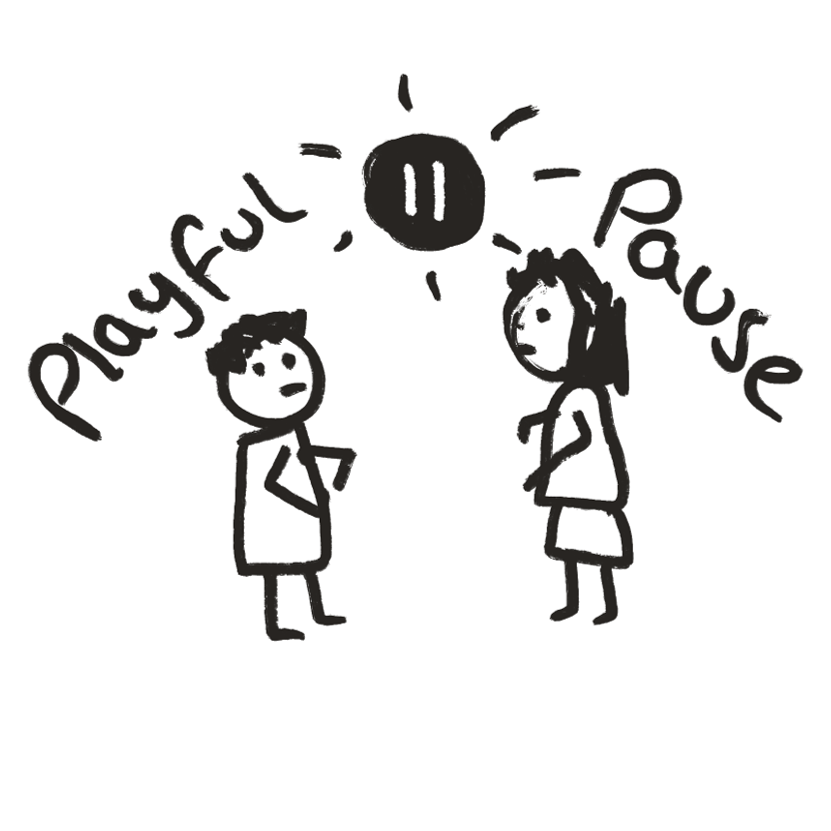
In this playful script, you create a tiny imaginative game (“Defiance Dragon”) to externalise the child’s defiance as something we can team up against playfully. The exact script can vary widely by age (for a teenager, humour might be more understated, like you suddenly doing a goofy dance and saying “Ugh, what a morning – shall we hit reset and start over?” with a grin). The essence is to surprise the child out of the stuck position with levity. Your willingness to be a bit silly shows the child it’s safe to drop their guard. Once the child smiles or giggles, even briefly, the emotional climate shifts – we (you and the child) are connected again, and the task or issue can often be revisited with less resistance.
What this pearl is all about
What you could say in the moment
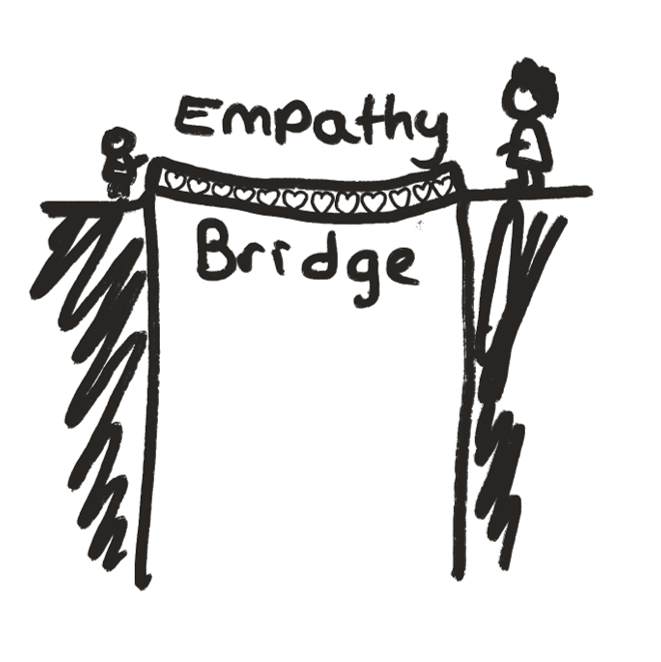
(In this script, you're naming and normalising the child’s likely feelings, showing empathy: “I’d feel the same if I were in your shoes.” There’s also an explicit assurance of presence: “I’m here… I’m not going anywhere,” which is crucial for a child worried about being given up on. The tone is gentle, not demanding a response. You might sit quietly nearby, or leave a soft toy or drawing materials as an invitation. The child then knows the bridge is there whenever they are ready to cross back into interaction. Even if the child doesn’t respond immediately, such messages sink in and over time the child will trust that the carer truly cares and empathises with them.)
Demo of Navigating our Courses