Helping Children to Calm and Regulate
Parent friendly toolkitThis entry is about helping children through dysregulation in a way that protects connection, reduces shame, and teaches the nervous system what safety feels like.
Tip: Use the During tools like a menu, not a checklist. If one does not fit, move on calmly.
Before
Spot it early, lower the temperature, protect connection
Early warning signs
- Sudden shouting, swearing, or bossiness
- Withdrawal, hiding, refusing, or going blank
- Silliness at the wrong time, winding others up
- Pacing, fidgeting, clenched fists, tight jaw
- Tearful over something small, or snapping quickly
What is really happening
- Their survival system is taking over
- The thinking brain is less available
- Behaviour is communication, not a character flaw
- Our job is safety first, learning second
Quick preventative moves
If you can lower overwhelm early, you often prevent the explosion later.
During
Expandable tools, choose what fits, keep it simple
If a child is dysregulated, aim for calm body, safe space, steady adult. Teaching comes later.
5-4-3-2-1 grounding, or 5 things you can see +
Guide the child, gently and slowly:
- 5 things you can see
- 4 things you can touch
- 3 things you can hear
- 2 things you can smell
- 1 thing you can taste
It brings attention back to the present moment and reduces spiralling.
Balloon breathing +
Say: “Let’s pretend we have a balloon in our tummy.”
- Breathe in through the nose, slow
- Hold for 2
- Breathe out through the mouth, slower
If they refuse, you still do it. Many children copy quietly once the pressure drops.
Slow breathing signals safety and supports the body to settle.
The 60 second reset +
When a child cannot follow instructions, lower the bar:
- Say: “Let’s just get through one minute.”
- Sit beside them, slow your breathing
- Look at a clock together, or count slowly
It buys time for the wave to peak and fall, without feeding it with threat or lecture.
Name the body, not the behaviour +
Swap correction for description:
It reduces shame and helps the thinking brain come back online.
Co-regulation, the “I’ll stay” script +
Use short, steady sentences:
- “I can see this feels big.”
- “I’m here.”
- “I’m not going anywhere.”
- “We’ll sort it together.”
Connection often lowers stress faster than consequences.
Cold reset +
Offer one simple option:
- Cold bottle on cheeks
- Cool water splash on face
- Ice cube wrapped in cloth
Cold sensation can help the body slow down and reset.
Only use what is safe, appropriate, and culturally acceptable for your child.
Heavy work, deep pressure +
Choose one:
- Wall pushes or wall press ups
- Carry the washing basket together
- Move chairs, wipe table, push vacuum
- Wrap in a blanket burrito if they like it
Deep pressure and “heavy work” can organise a stressed nervous system.
Rhythm regulation +
Rhythm is calming for many children. Try:
- Clap slowly together
- Rock gently
- Hum a simple tune
- Tap left, right, left, right on knees
Steady rhythm can help the brain feel predictable again.
Movement burst, then settle +
If the body is in fight or flight, safe movement can help:
- Run to a landmark and back
- 10 star jumps
- Stomp like a dinosaur for 20 seconds
Return to balloon breathing, or the 60 second reset.
After
Repair, meaning making, and helping them understand what happened
Timing matters
Repair works best when the child is calm enough to think, even a little. If they are still fizzy, keep it short and return later.
The fizzy bottle of pop analogy +
“Do you know what happens when you shake a bottle of pop? The bubbles build up inside. If we open it suddenly, it explodes everywhere.”
“Your body was like that bottle. It wasn’t really about the small thing in the moment. It was lots of bubbles building up.”
- “What were some of the bubbles today?”
- “Was school hard, or did something feel unfair?”
- “Did you feel worried, embarrassed, or left out?”
The frozen lake analogy +
“Living with big feelings can be like walking across a frozen lake. Some days the ice feels strong and safe. Some days it feels wobbly. Sometimes there are cracks.”
“When things blew up earlier, it was like your foot went through a crack. That does not mean you are bad. It means it felt unsafe in your body.”
“You are not walking across the lake alone. I’m walking with you. If you slip, I help you up.”
- “How will we notice the ice getting wobbly?”
- “What helps you feel steadier?”
- “What should I do, and what should I not do?”
Restoring accountability without shame
You can be kind and still hold boundaries. Focus on repair actions that fit the child’s developmental age.
- “What do we need to fix now?”
- “Who might need checking on?”
- “What can we do differently next time?”
If the child harmed someone or damaged something, keep your tone calm and clear. Repair is part of safety.
Case Studies
Short, realistic examples carers recognise
Case 1: “It’s not fair” meltdown at bedtime
A child is asked to turn off the tablet. They shout, slam the door, and scream that you hate them.
- Co-regulate: “I’m here, this feels big.”
- Offer a 60 second reset, then balloon breathing
- Later, use the fizzy bottle analogy, explore the bubbles
Case 2: School refusal with tummy ache
A child says their stomach hurts and refuses to get dressed. They are not rude, just stuck.
- Name the body: “Your tummy feels tight, and that can happen with worry.”
- 5 things you can see grounding, then one small step
- Later, use the frozen lake analogy, plan what helps when the ice feels wobbly
Case 3: After seeing birth family, the house “goes wrong”
After seeing birth family, a child is snappy, tears up homework, and argues over everything.
- Lower demands, snack and water, reduce questions
- Heavy work or movement burst, then settle
- Later, fizzy bottle analogy, name the build up and plan earlier support next time
Suggested Therapeutic Wording
Carer friendly phrases, simple, steady, and kind
When things feel tough
When they push you away
Repair afterwards
Holding boundaries without heat
Let us know what you thought


Awards & Recognition


Policies
Copyright © 2026, Pink Pearl Consulting Limited, registered in England & Wales, no. 16232207.
What this pearl is all about
What you could say in the moment
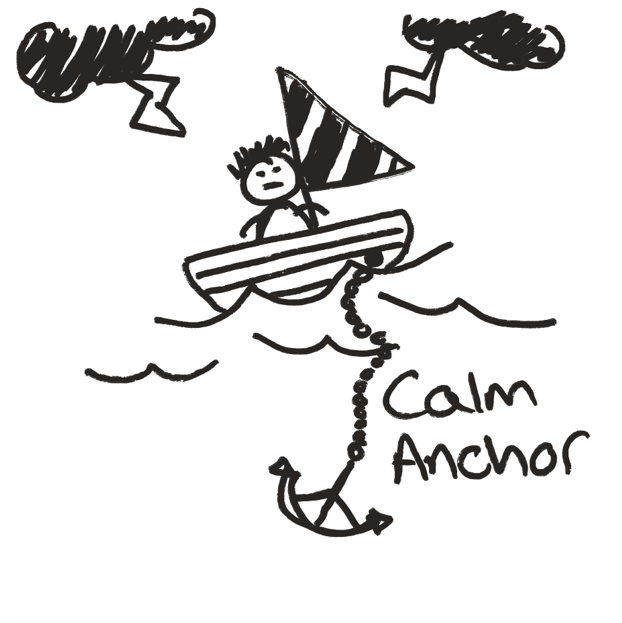
(Said softly, perhaps while offering a reassuring hand on the shoulder if welcomed, conveying that you are not angry and will stay by the child’s side until the emotional waves settle.)

What this pearl is all about
What you could say in the moment
(This phrasing invites the child to explain, without outright accusing them of lying. It uses "I wonder" instead of "You’re lying", signalling curiosity. You might even playfully put on “magic truth glasses” with your fingers, if age-appropriate, to lighten the moment and show the child they’re not angry.)
What this pearl is all about
What you could say in the moment
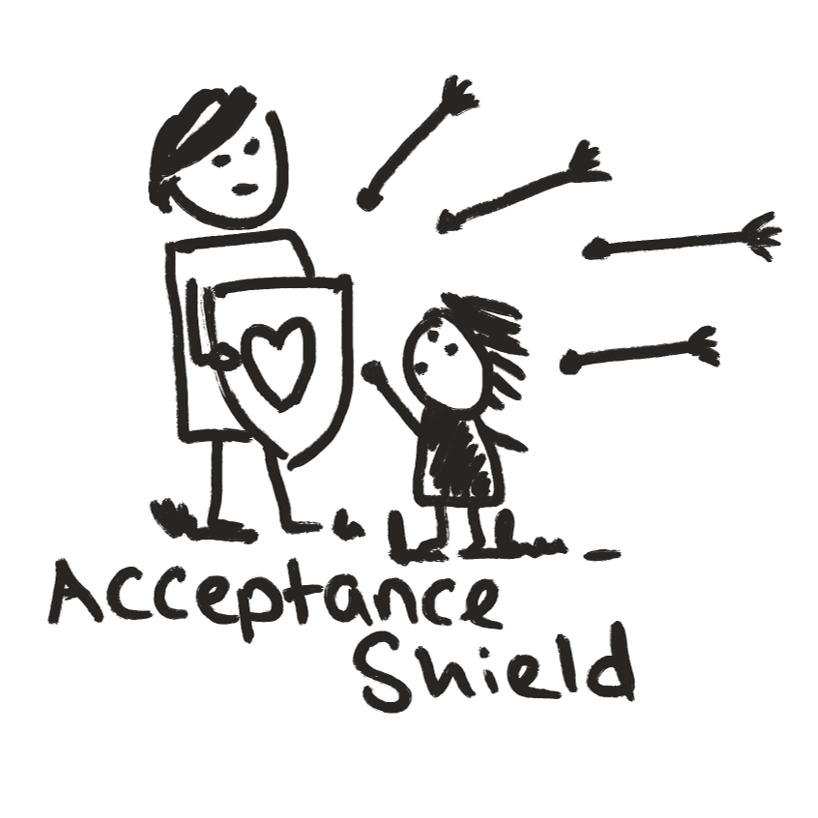
(This script explicitly assures the child of your enduring acceptance. Phrases like “no matter what” and “nothing will change that” directly address fear of rejection. You might literally open your arms like a shield or put an arm around the child if appropriate, to physically reinforce the feeling of protection and safety.)
What this pearl is all about
What you could say in the moment
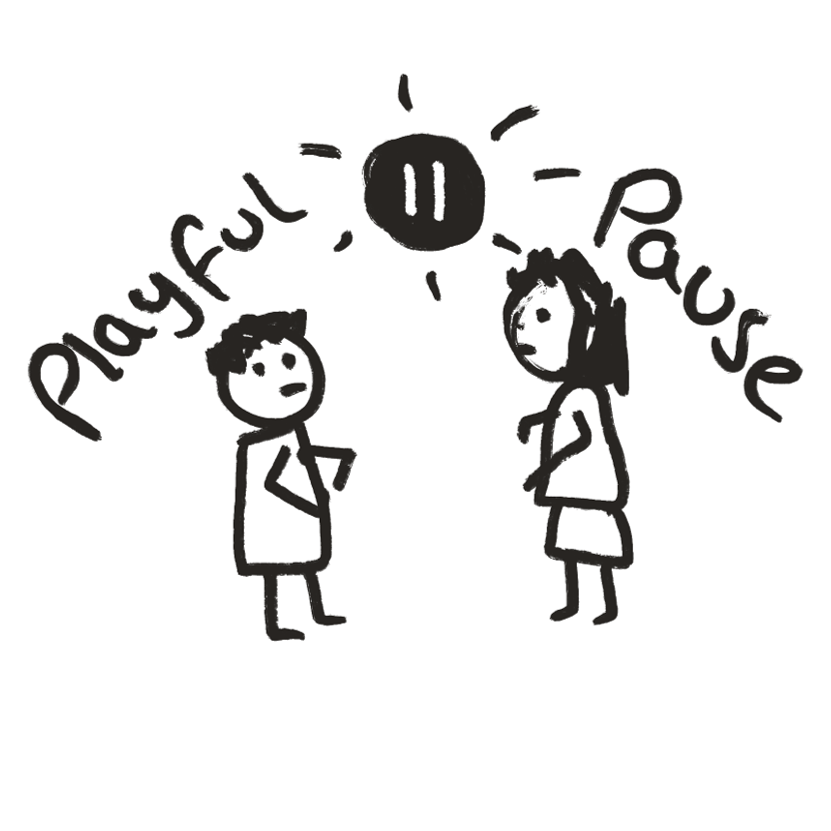
In this playful script, you create a tiny imaginative game (“Defiance Dragon”) to externalise the child’s defiance as something we can team up against playfully. The exact script can vary widely by age (for a teenager, humour might be more understated, like you suddenly doing a goofy dance and saying “Ugh, what a morning – shall we hit reset and start over?” with a grin). The essence is to surprise the child out of the stuck position with levity. Your willingness to be a bit silly shows the child it’s safe to drop their guard. Once the child smiles or giggles, even briefly, the emotional climate shifts – we (you and the child) are connected again, and the task or issue can often be revisited with less resistance.
What this pearl is all about
What you could say in the moment
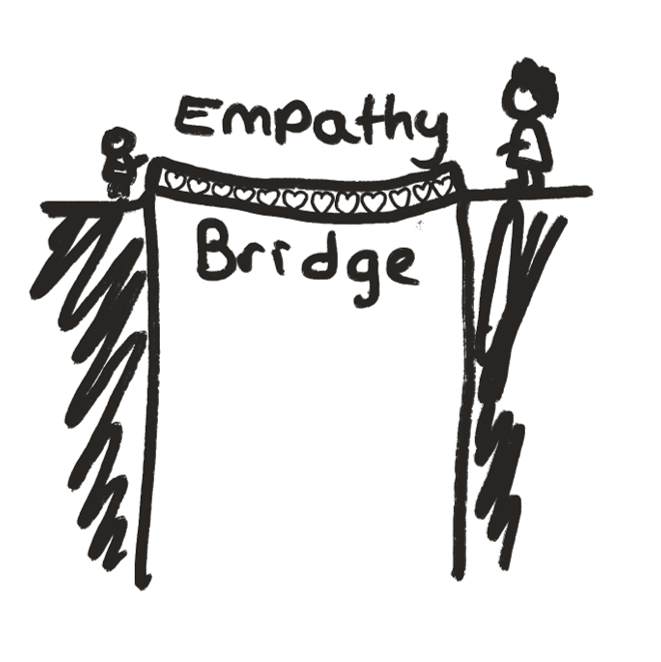
(In this script, you're naming and normalising the child’s likely feelings, showing empathy: “I’d feel the same if I were in your shoes.” There’s also an explicit assurance of presence: “I’m here… I’m not going anywhere,” which is crucial for a child worried about being given up on. The tone is gentle, not demanding a response. You might sit quietly nearby, or leave a soft toy or drawing materials as an invitation. The child then knows the bridge is there whenever they are ready to cross back into interaction. Even if the child doesn’t respond immediately, such messages sink in and over time the child will trust that the carer truly cares and empathises with them.)
Demo of Navigating our Courses