Before, During, After Map
Early Adolescence, Big Emotions, Peer Conflict, and Impulsivity
Early adolescence can come with bigger feelings, more independence, and intense social pressure. This map offers steady, practical options for home and school when things feel personal.
Before the moment
Early adolescence can feel like a perfect storm. Big feelings. Fast reactions. A strong need to feel respected and safe. Planning for the hard moments can make the next wobble smaller.
What might be happening underneath?
- Big feelings that arrive quickly and can change fast.
- Impulse lag. Their body or words can move before thinking catches up.
- Rejection sensitivity. Small comments can land like humiliation or abandonment.
- Peer pressure and social status worries. This can push risky choices or strong defensiveness.
- Shame and identity strain. Years of being told off can start to feel like, “I’m the bad kid,” even when they are trying.
Support that can help, home and school
- Build predictable connection. Small check ins, shared activities, and calm routines can lower the overall stress load.
- Agree a plan for hot moments. A safe exit, a reset spot, a walk, music, or a code word.
- Use collaborative language. “Let’s work out what your brain needed right then.”
- Reduce shame triggers. Less public correcting. More private coaching. Fewer long talks in the heat of it.
- Support strengths and belonging. Clubs, sport, gaming groups, creative outlets, and kind peer time.
- At school, offer clear structure. Written steps, one thing at a time, and quick checks for understanding.
- Use predictable routines and planned movement breaks, rather than reactive removals.
- Offer a safe space pass, a named adult, or a quiet reset area for when emotions build.
- Plan transitions with care. A warning before changes, clear expectations, and a calm start to lessons.
- Share what works across home and school. A one page plan, consistent language, and agreed de escalation steps.
Gentle prompt
If this is overwhelm and threat, not disrespect, what tone could help them feel safe enough to come back to you and to school staff?
During the moment
When feelings spike, thinking can go offline. The aim is safety and dignity. This is about lowering the heat, not winning the argument.
What matters most right now?
- Step back from a power struggle. Hold the boundary. Lower your intensity.
- Use fewer words. Short sentences often land better than explanations.
- Protect privacy where possible. Avoid a big audience, siblings or peers.
- Prioritise safety. Reduce harm first, then reduce heat.
- At school, avoid public correction, sarcasm, or calling them out across the room.
Support that can help, home and school
- Offer space without abandonment. “I’m here. We can talk when it feels calmer.”
- Use the pre agreed plan. A walk, a shower, music, a quiet room, outside air.
- Model a calm body. Slow movements, relaxed face, steady voice.
- Pause consequences and problem solving until regulation is back.
- If talking is escalating, stop talking and stay nearby if it feels safe.
- At school, use a subtle cue. A desk card, a hand signal, or a quiet check in.
- Offer a regulated exit route. Safe space pass, short walk, learning mentor, calm corner.
- Temporarily reduce the demand. “Do the first two questions,” or “Write one sentence,” then rebuild.
- Keep peers out of it. Reduce the audience and protect their dignity.
- In the moment, prioritise de escalation over sanctions. Any follow up can wait until calm returns.
Gentle prompt
What is the kindest clear boundary you can hold, without shaming them or feeding the fire? What could that look like in a classroom?
After the moment
Repair builds trust. Reflection builds skills. Both work best when they are short, respectful, and real. School repair can be part of the plan too.
Repair first, then learning
- Reconnect gently. A warm drink, a shared task, sitting nearby, or quiet company.
- Name the storm, not the child. “That moment got huge,” rather than, “You were awful.”
- Validate feelings without approving harm. “I get why you were raging. We still keep people safe.”
- Keep accountability specific and doable. One repair step can be enough.
- At school, keep repair calm and private, focused on next steps, not humiliation.
Support that can help, home and school
- Problem solve together. “What might help next time, a pause, a walk, a code word?”
- Practise micro pause options. Breathe, drink, step out, text for help, music reset.
- Support peer and school repair. Draft a calm message, practise what to say, role play if it helps.
- Notice growth. “You came back quicker.” “You asked for space.” “You repaired.”
- End with belonging. “We can have hard days and still be okay as a family.”
- At school, debrief briefly. “What happened just before it tipped?” then agree one strategy for next lesson.
- Offer specific praise for the repair. “You came back.” “You took space.” “You restarted.”
- Use restorative repair when it is safe. Keep it short, structured, and adult led.
- Adjust support. Chunk tasks, movement breaks, less copying, written steps, a calm check in at the start.
- Share solutions across home and school, not only incidents. What helped, what did not, and what to try next.
Final message
Early teens often need boundaries. They also need belonging. Safety plus respect makes it easier to come back, at home and at school.
Case Studies
Two early teen moments where big feelings, peers, and fast reactions collide, with practical options for carers and teachers.
Case study 1, A 13 year old has an angry outburst after feeling disrespected
- What it looks like: Shouting, swearing, slamming doors, storming out, then later acting like nothing happened.
- What might be underneath: Rejection sensitivity, embarrassment, adrenaline, and a brain that is struggling to shift gears.
- Before support: Agree a cool down plan that saves face. A walk, music, a quiet room, a code word. In school, a safe exit pass and a named adult check in can help.
- During support: Keep it brief. Protect privacy. Offer space without threat. “I’m here. We can talk later.” In school, use a quiet cue and a calm exit route, not a public showdown.
- After support: Repair first. Name the feeling, then the impact. Practise a different response for next time and agree one small repair action. In school, debrief privately and choose one strategy for the next lesson.
Case study 2, Peer conflict and impulsive messages on group chat
- What it looks like: Rapid fire texting, harsh replies, impulsive posts, then panic or regret when things escalate.
- What might be underneath: Emotional flooding, fear of rejection, and limited pause skills under social stress.
- Before support: Agree a pause option for messages. Draft then wait. Step away for five minutes. Ask a trusted adult to sanity check. In school, teach digital safety and make reporting routes clear.
- During support: Support a hard stop. Phone down. Breathe. Water. Short walk. In school, separate pupils, reduce the audience, and move the young person to a safe space with a calm adult.
- After support: Support repair. A calm message, a short apology if appropriate, and a plan for next time the chat heats up. In school, support restorative steps and prevent re ignition with supervision and a clear plan.
Gentle prompt
What helps your teen feel respected when emotions run high? What could the school do to mirror that?
Let us know what you thought

The Academy, under the company name 'Pink Pearl Consulting Limited' has achieved the government-backed Cyber Essentials Certification.

The Academy is registered with the Information Commissioner's Office, in relation to Data Protection, under the company name 'Pink Pearl Consulting Limited' | Registration No: ZB963794
Awards & Recognition

We were a Finalist in the Stars of Children and Young People Awards, 2026. We received the 'Highly Commended' honour for the Learning Award category
Empty space, drag to resize

In 2025 we were recognised by Synthesia for using AI to support foster and kinship parents and create positive social change. This award belongs to every carer who has helped shape our platform.
Policies
Copyright © 2026, Pink Pearl Consulting Limited, registered in England & Wales, no. 16232207.
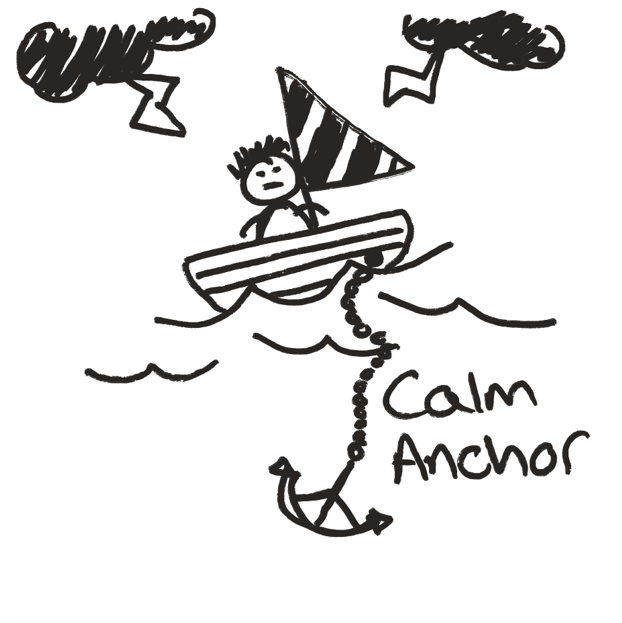
What this pearl is all about
When children tip into full-blown distress – red-faced, fists clenched, or wailing – something important is happening inside their brains. Especially if there’s trauma in the mix. The rational part goes offline and the survival system takes over. Fight, flight… sometimes both at once. And in that state, calming down on their own is almost impossible.
That’s where you come in. By staying steady – calm body, calm voice – you become the anchor. It’s not glamorous, but it’s powerful. Your calm nervous system helps to steady theirs. Psychologists call it co-regulation. I call it being the anchor in their storm.
The tricky bit, of course, is regulating yourself first. Because their anger can be contagious. It’s very easy to catch it, to snap back. But if you can keep your cool – soften your tone, ground yourself – you transmit calm instead of panic.
And when you do that, you’re saying something profound without words: even at your worst, you’re still safe with me. Over time, those storms lose some of their terror. The child begins to believe it. They borrow your calm again and again, until eventually they start to grow some of their own.
What you could say in the moment
“I can see you’re feeling a really big storm inside right now. It’s okay – I’m right here with you, and you’re safe. Take some deep breaths with me. We will get through this together.”
(Said softly, perhaps while offering a reassuring hand on the shoulder if welcomed, conveying that you are not angry and will stay by the child’s side until the emotional waves settle.)
(Said softly, perhaps while offering a reassuring hand on the shoulder if welcomed, conveying that you are not angry and will stay by the child’s side until the emotional waves settle.)

What this pearl is all about
Children in foster care don’t usually lie in the way adults think of lying – not with the cold calculation of a fraudster in a Netflix documentary. More often it’s a kind of survival tactic, almost automatic. Trauma specialists even talk about it as a “fourth F.” You’ve heard of fight, flight, freeze… well, lying becomes another option. Not to get one over on you, but to dodge the sting of shame, or the dread of being punished, or simply the awful feeling of being powerless.
That’s where the Curiosity Lens comes in. Imagine putting on a pair of invisible glasses or holding up a magnifying glass. Instead of seeing the fib at face value, you start to see what’s underneath it – the fear of rejection, the nervous energy, the shame the child doesn’t know how to name. With PACE in mind – curiosity and acceptance especially – you suspend the moral outrage, the urge to shout “just tell me the truth,” and you lean in gently instead.
It’s not about catching them out. It’s about keeping the conversation alive. As one parenting guide wisely put it: stay exploratory, keep wondering aloud. If you shame them, they’ll close the door. If you stay curious, they might just leave it ajar.
And when you respond with genuine interest – “I wonder what made it hard to tell me…” – you send a message that’s bigger than any single lie: I’m not here to trap you, or humiliate you. I’m here to understand you. That, over time, is how trust grows. They learn you’ll meet their honesty with compassion, not punishment. And that changes everything.
What you could say in the moment
“Hmm, that’s an interesting story you’ve told me. I wonder if maybe it feels safer to say that than what really happened? If you’re worried about getting in trouble, you don’t have to be – you are safe with me. Whatever happened, we can sort it out together. Can you help me understand what’s going on?”
(This phrasing invites the child to explain, without outright accusing them of lying. It uses "I wonder" instead of "You’re lying", signalling curiosity. You might even playfully put on “magic truth glasses” with your fingers, if age-appropriate, to lighten the moment and show the child they’re not angry.)
(This phrasing invites the child to explain, without outright accusing them of lying. It uses "I wonder" instead of "You’re lying", signalling curiosity. You might even playfully put on “magic truth glasses” with your fingers, if age-appropriate, to lighten the moment and show the child they’re not angry.)
Empty space, drag to resize
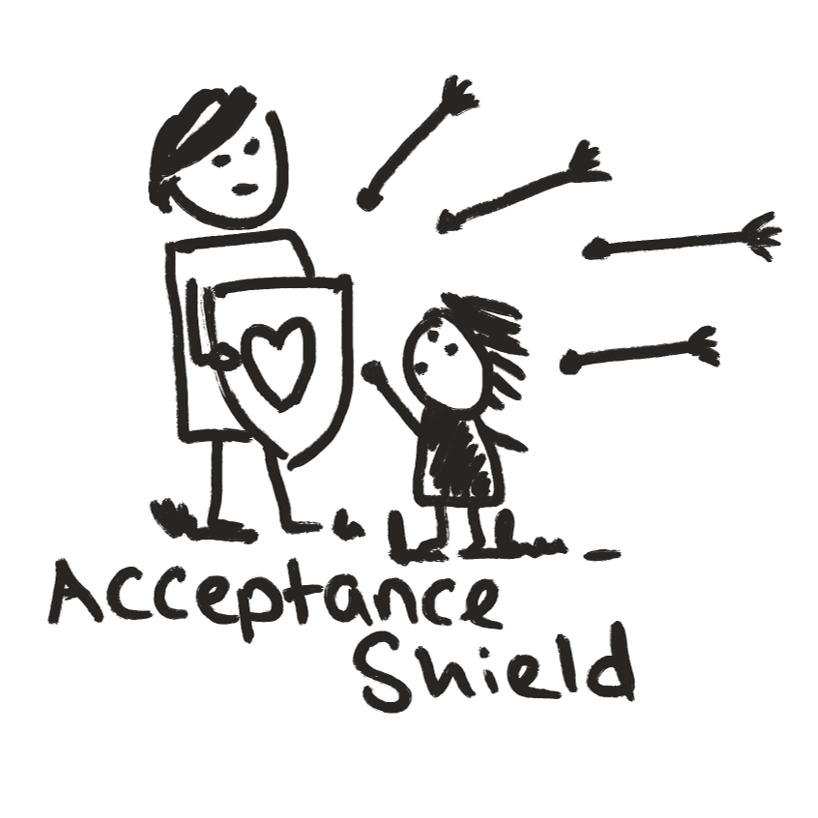
What this pearl is all about
Many children in care carry a kind of hidden script in their heads. It says: I am bad. It’s my fault. They don’t usually say it out loud, but it’s there, humming away. It comes from years of early hurt, of being rejected again and again. Some even learn that if they show real feelings – sadness, anger, longing – it might lead to punishment, or worse, abandonment. So they tuck those feelings away, and the shame festers.
This is where the Acceptance Shield comes in. It’s less superhero cape, more everyday armour. You hold it up, deliberately and consistently, to protect the child from those shame-arrows. It means making a very clear distinction: I don’t always like your behaviour, but I always accept you.
In PACE terms, it’s acceptance and empathy working in tandem. You meet the child’s feelings as they are, even the messy ones. You empathise with the shame they’re drowning in. And practically, it means tempering your own response. No harsh telling-off. No thunderous disappointment. Instead: “You’re not a bad kid. I get why this happened. And I still care about you.”
Because here’s the thing: children watch closely for whether their inner world is safe with you. If you counter their self-criticism – “I’m stupid, I’m bad” – with calm, believable truths – “You’re good, you’re worthy” – you’re teaching them a new script. One where they’re not discarded for messing up. One where they’re covered.
And when you hold that shield day after day, the child starts to believe it. Their sense of self stitches back together. They start to grow resilience against shame and rejection. And in that, the bond between you becomes their secure base – something solid, at last, in a life that’s often felt shaky.
What you could say in the moment
“I know you feel really bad about this. It’s okay – we all make mistakes, but I want you to hear this: I’m not angry and I’m not leaving. I love you no matter what. Nothing will change that. Let’s figure out how to make it right together when you’re ready.”
(This script explicitly assures the child of your enduring acceptance. Phrases like “no matter what” and “nothing will change that” directly address fear of rejection. You might literally open your arms like a shield or put an arm around the child if appropriate, to physically reinforce the feeling of protection and safety.)
(This script explicitly assures the child of your enduring acceptance. Phrases like “no matter what” and “nothing will change that” directly address fear of rejection. You might literally open your arms like a shield or put an arm around the child if appropriate, to physically reinforce the feeling of protection and safety.)
Empty space, drag to resize
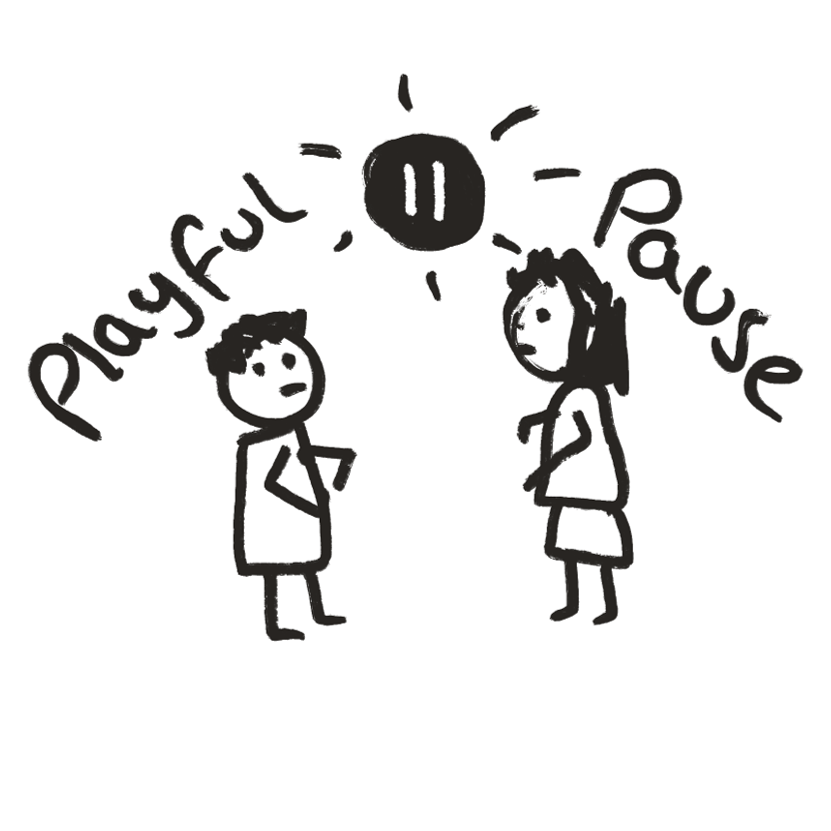
What this pearl is all about
Defiance in children can feel like a brick wall. They cross their arms, scowl, and say “No!” with the kind of finality usually reserved for magistrates. And you feel that surge of frustration rising – the urge to push back harder. But there’s another option.
The Playful Pause is about puncturing that tense balloon with a bit of silliness. A ridiculous face. A pretend dragon lurking in the room. A mock-serious “emergency” about socks refusing to cooperate. It sounds daft, and in a way it is. But daftness is often what works.
The magic of playfulness is that it pauses the power struggle. It shifts the dynamic from “me against you” to “me with you.” For a younger child, it might be full-on theatrics. For a teenager, maybe a raised eyebrow and a wry, self-deprecating joke. Either way, it says: I’m not your enemy. We can reset this together.
It doesn’t mean ignoring the behaviour. It just means you’re smart enough to know that humour can sneak past defences that sternness never will. And once you’ve both laughed, even a little, the wall crumbles. Suddenly there’s room to carry on. Together.
What you could say in the moment
In a mock-serious narrator voice: “Oh no... the Defiance Dragon has entered the room! It’s making us both all grumpy. Quick, I have an idea – I’ll make a funny face to scare it off… 😜 See, the dragon is laughing! Can you give it a try? [Child pulls a face] Hooray, we scared it away together!” (Both laugh, tension breaks) “Alright, shall we give (the task) another go now?”
In this playful script, you create a tiny imaginative game (“Defiance Dragon”) to externalise the child’s defiance as something we can team up against playfully. The exact script can vary widely by age (for a teenager, humour might be more understated, like you suddenly doing a goofy dance and saying “Ugh, what a morning – shall we hit reset and start over?” with a grin). The essence is to surprise the child out of the stuck position with levity. Your willingness to be a bit silly shows the child it’s safe to drop their guard. Once the child smiles or giggles, even briefly, the emotional climate shifts – we (you and the child) are connected again, and the task or issue can often be revisited with less resistance.
In this playful script, you create a tiny imaginative game (“Defiance Dragon”) to externalise the child’s defiance as something we can team up against playfully. The exact script can vary widely by age (for a teenager, humour might be more understated, like you suddenly doing a goofy dance and saying “Ugh, what a morning – shall we hit reset and start over?” with a grin). The essence is to surprise the child out of the stuck position with levity. Your willingness to be a bit silly shows the child it’s safe to drop their guard. Once the child smiles or giggles, even briefly, the emotional climate shifts – we (you and the child) are connected again, and the task or issue can often be revisited with less resistance.
Empty space, drag to resize
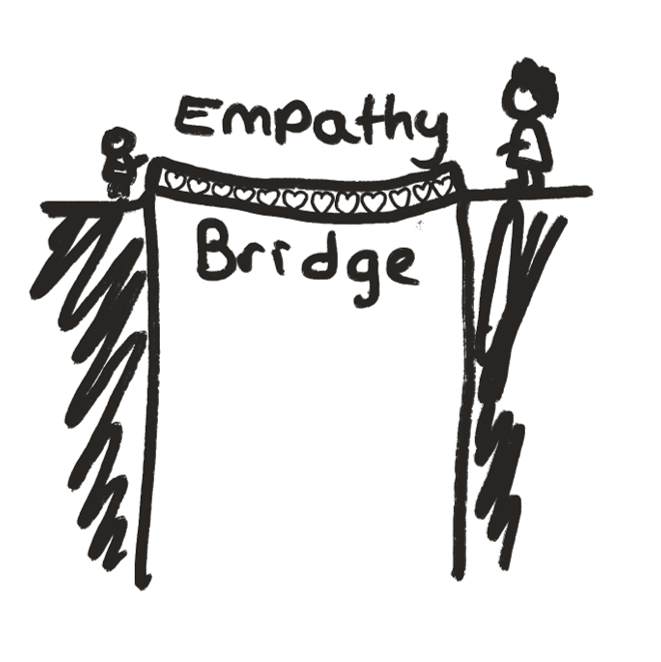
What this pearl is all about
When a child withdraws – shuts the bedroom door, curls up silent on the bed – it’s tempting to take it personally. To knock loudly, or to storm off yourself. But here’s the truth: often what’s happening is less about you and more about the child drowning in feelings they can’t quite put words to. Shame, sadness, fear.
The Empathy Bridge is about reaching across that gap. Not forcing them to talk, not demanding eye contact, but sending a quiet signal: I see you. I understand. And I’m here. Maybe it’s a few calm words through the door. Maybe it’s leaving a note or a favourite snack outside. Maybe it’s just sitting nearby, available.
The visual is a bridge of hearts or hands. You stand on your side, they on theirs. And you extend something across – empathy – so when they’re ready, they can walk back over. The bridge is patient. It doesn’t collapse if they don’t use it straight away.
This says to the child: Even if you push me away, I won’t give up on you. And in time, that’s how trust is built. They learn that silence won’t scare you off. That feelings won’t break the relationship. And that you are a steady presence on the far side of the cliff, always waiting, always ready to welcome them back.
What you could say in the moment
(You speak through the door or next to the withdrawn child, calmly and kindly): “I know it’s been a really upsetting day. If I were you, I might want to hide under the covers too. Just wanted to say I understand why you feel that way, and it’s alright. I’m here whenever you feel like talking or even if you just want a hug. Take your time – I’m not going anywhere.”
(In this script, you're naming and normalising the child’s likely feelings, showing empathy: “I’d feel the same if I were in your shoes.” There’s also an explicit assurance of presence: “I’m here… I’m not going anywhere,” which is crucial for a child worried about being given up on. The tone is gentle, not demanding a response. You might sit quietly nearby, or leave a soft toy or drawing materials as an invitation. The child then knows the bridge is there whenever they are ready to cross back into interaction. Even if the child doesn’t respond immediately, such messages sink in and over time the child will trust that the carer truly cares and empathises with them.)
(In this script, you're naming and normalising the child’s likely feelings, showing empathy: “I’d feel the same if I were in your shoes.” There’s also an explicit assurance of presence: “I’m here… I’m not going anywhere,” which is crucial for a child worried about being given up on. The tone is gentle, not demanding a response. You might sit quietly nearby, or leave a soft toy or drawing materials as an invitation. The child then knows the bridge is there whenever they are ready to cross back into interaction. Even if the child doesn’t respond immediately, such messages sink in and over time the child will trust that the carer truly cares and empathises with them.)
Empty space, drag to resize
Get started
Demo of Navigating our Courses
Created with