Delegated authority, consent, and the legal shorthand people use
This guide is here because carers are often asked to make decisions at speed, with half the information, and a child who just wants you to be the grown up who can say yes. Pick your nation first, because the labels and law are different, then use this to sense-check what usually sits where. Always check the child’s plan and delegated authority record.
Who can consent and make decisions about a child
EnglandThis version uses the Children Act 1989 (England).
Foster carers do not have parental responsibility (PR). Parental Responsibility is a legal term from the Children Act 1989 that describes the rights, duties, powers, and responsibilities a parent (or another authorised adult) has for a child. Any authority you have to agree to things comes from delegated authority, usually written into the placement plan and delegated authority agreement.
Voluntary accommodation is often called “Section 20” or “accommodated”. Under Section 20, the local authority does not automatically hold PR, so consent often still sits with parents or others with PR, unless the young person can consent for themselves.
Care Orders mean the local authority shares PR under a Care Order, which usually makes decision routes clearer and quicker.
Legal shorthand you might hear, in plain English
EnglandIn plain English:This is where extra support is needed from the local authority and specific services, because child needs are unlikely to be fully met without this support, or if they are disabled. The aim is to prevent problems from getting worse and to keep families together safely.
Why carers should care:Children in Care would not tend to have Child in Need involvement. But it is important for carers to understand what it is, as children and families may have experienced this, or need support through this in future.
In plain English: Enquiries start etc. Information sharing speeds up, and professionals focus on immediate safety and protective action.
Why carers should care: Carers may be involved in and asked to share information as part of Section 47 investigations, as Children in Care can be subject to this, for example if there are allegations or risks to children from outside of the home.
In plain English: The child is looked after by agreement with parents/those with PR, not by a court order.
Why it matters for consent: The local authority does not automatically have PR, so consent often sits with parents or others with PR, unless the young person can consent themselves.
Carer move: Ask for written clarity on what you can consent to, and what must go back to the social worker or parents with PR.
In plain English: The court can make orders about where the child lives and who can make decisions. Interim orders are temporary while the case is ongoing (Section 38). Section 31 applies to the final orders courts can make at the end of care proceedings.
Common decisions carers get asked about
EnglandThese examples are written in plain English. What changes is who can consent, which depends on legal status and what is written as delegated authority. When in doubt, pause and get it confirmed in writing.
Typical examples: Flu jab, MMR catch-up, HPV at school, travel vaccines.
Often delegated
- Routine vaccinations where the plan says you can consent.
- Booking appointments and attending with the child.
Often needs someone with PR
- Where the child is accommodated under Section 20 and the young person cannot consent themselves, consent often needs to come from a parent or another person with PR.
- If there is disagreement, it should go back through the social worker and health professionals.
Carer move: Ask for delegated authority to be written clearly for immunisations, so you are not guessing when the school nurse hands you a consent form.
Typical examples: Antibiotics, dental treatment, blood tests, x-rays, referrals, minor procedures, general anaesthetic.
Often delegated: Day-to-day appointments, routine medication, basic examinations, if your plan says so.
Often escalated: Surgery, general anaesthetic, complex treatment, and anything contentious, especially under Section 20.
Carer move: Keep a note of who to contact out of hours, and what to do if a hospital asks, “Who has parental responsibility?”.
Typical examples: Local school trips, clubs, PE kit, school photos, homework apps, swimming lessons.
Often delegated: Routine school permissions so the child can live as normally as possible, if delegated authority covers it.
Watch-outs: Some schools treat photo consent and online platforms as “data consent”, so it is worth clarifying in the plan.
Typical examples: Holiday abroad, school trip abroad, applying for a passport.
Often needs PR: Permission to take a child abroad is commonly expected to be backed by a person with PR and coordinated by the social worker.
Carer move: Do not book anything non-refundable until you have written confirmation of consent and the plan.
Typical examples: Changing the venue, cancelling a session, increasing or reducing family time, allowing informal time with extended family.
Usually not a carer-only decision: Family time is a safeguarding and legal planning area, so changes should go through the social worker, and sometimes the court if proceedings are underway.
Carer move: You can record impact and raise concerns quickly, but avoid changing arrangements on your own unless there is immediate safety risk and you are following an agreed emergency plan.
The big idea, who can actually consent
ScotlandThis version uses Scotland’s terminology and law. You will hear different labels than England, and you will often hear people talk about parental responsibilities and rights (PRRs).
Carers usually do not hold PRRs. Your authority comes from what is delegated to you in the child’s plan and the delegated authority record.
Voluntary accommodation is commonly discussed as “Section 25 accommodation”. It is care away from home without a compulsory measure, and consent routes can depend on who holds PRRs and what is agreed in writing.
Compulsory measures exist (through the Children’s Hearings system). When a child is subject to compulsory measures, decision making can be clearer, but you should still check what is delegated to you in writing.
Labels you might hear, plain English
ScotlandIn plain English: Help from services because a child’s needs are not being met without extra support.
Why carers should care: You may be asked for observations, meetings, and planning input, even when there is no child protection process.
In plain English: A formal response when professionals suspect significant harm or serious risk.
Why carers should care: Information sharing increases, and immediate safety planning becomes the priority.
In plain English: The local authority provides accommodation without a compulsory measure.
Why it matters for consent: Consent routes can depend on who holds PRRs, the child’s age and capacity, and what is delegated to you in writing.
Carer move: Ask for clear written delegated authority for health, school permissions, travel, haircuts, and online life, so you are not guessing.
In plain English: Decisions about compulsory support and protection can be made through the Children’s Hearings system.
Why carers should care: You will often have clearer expectations around family time, safety planning, and decision routes, but day-to-day permissions still need to be delegated to you in writing.
Common decisions carers get asked about
ScotlandThese examples are written in plain English. In Scotland, the key is to check PRRs and what is delegated to you in writing, rather than relying on England section numbers.
Typical examples: Flu jab, MMR catch-up, HPV at school, travel vaccines.
Carer move: Ask for written clarity on whether you can consent to routine immunisations, and what must go back to the social worker or those holding PRRs.
Often delegated: Routine appointments and basic treatment if your delegated authority covers it.
Often escalated: Surgery, general anaesthetic, complex treatment, or any contentious decisions.
Often delegated: Routine permissions that support normal life, if delegated authority covers it.
Watch-outs: Photo consent and online platforms may need specific clarity in writing.
Often needs escalation: Travel abroad and passports usually require clear agreement from those holding PRRs and involvement from the social worker.
Carer move: Do not book anything non-refundable until you have written confirmation.
Usually not a carer-only decision: Changes to family time should go through the social worker and be recorded within the plan.
Carer move: Record impact and raise concerns quickly, but avoid making unilateral changes unless there is immediate safety risk and you are following an agreed plan.
The big idea, who can actually consent
WalesThis version uses Wales terminology and the main legal labels used in practice.
Foster carers do not have parental responsibility (PR). Any authority you have to agree to things comes from delegated authority, written into the child’s plan and delegated authority agreement.
Voluntary accommodation in Wales is often “Section 76 accommodation”. Many professionals will still say “accommodated” in day-to-day conversation. Under voluntary accommodation, the local authority does not automatically hold PR, so consent often still sits with parents or others with PR, unless the young person can consent for themselves.
Child protection enquiries are still commonly described as “Section 47” because that part of the Children Act 1989 applies across England and Wales.
Legal shorthand you might hear, plain English
WalesIn plain English: Extra support from the local authority because a child’s needs are not being met without services.
Why carers should care: You may hear about plans and meetings, but this is not automatically a child protection process.
In plain English: Enquiries start when professionals suspect significant harm, or risk of it.
Why carers should care: Information sharing speeds up, and professionals focus on immediate safety and protective action.
In plain English: The child is looked after by agreement, not by a court order.
Why it matters for consent: The local authority does not automatically have PR, so consent often sits with parents or others with PR, unless the young person can consent themselves.
Carer move: Ask for written clarity on what you can consent to, and what must go back to the social worker or parents with PR.
In plain English: The court can make orders about where the child lives and who can make decisions. Interim orders are temporary while the case is ongoing.
Why carers should care: Decision routes are usually clearer, but you should still check what is delegated to you in writing.
Common decisions carers get asked about
WalesThese examples are written in plain English. In Wales, the biggest practical difference is that voluntary accommodation is usually referenced as Section 76, even if people casually say “accommodated”.
Carer move: Ask for written clarity on whether you can consent to routine immunisations, especially under voluntary accommodation.
Often delegated: Routine appointments and basic treatment if your delegated authority covers it.
Often escalated: Surgery, general anaesthetic, complex treatment, or any contentious decisions, particularly under voluntary accommodation.
Often delegated: Routine permissions that support normal life, if delegated authority covers it.
Watch-outs: Photo consent and online platforms may need specific clarity in writing.
Often needs escalation: Travel abroad and passports usually require clear agreement from those with PR and involvement from the social worker.
Carer move: Do not book anything non-refundable until you have written confirmation.
Usually not a carer-only decision: Changes to family time should go through the social worker and be recorded within the plan.
The big idea, who can actually consent
Northern IrelandThis version uses the Children (Northern Ireland) Order 1995. Northern Ireland uses “Articles” rather than the England “Sections” shorthand.
Carers usually do not have parental responsibility (PR). Your authority comes from what is delegated to you in the child’s plan and delegated authority record.
Voluntary accommodation is usually “Article 21 accommodation”. Under voluntary accommodation, the local authority does not automatically hold PR, so consent often still sits with parents or others with PR, unless the young person can consent for themselves.
If the label confuses the conversation, ask for the plain-English answer: “Who holds PR, and what exactly is delegated to me in writing?”
Labels you might hear, plain English
Northern IrelandIn plain English: Extra support from services because a child needs help to be safe and well.
Why carers should care: You may be asked for observations and involvement in planning, even where there is no child protection process.
In plain English: A formal response when professionals suspect significant harm or serious risk.
Why carers should care: Safety planning becomes the priority, and information sharing increases.
In plain English: The child is looked after by agreement, not by a court order.
Why it matters for consent: The local authority does not automatically have PR, so consent often sits with parents or others with PR, unless the young person can consent for themselves.
Carer move: Ask for written clarity on what you can consent to, and what must go back to the social worker or parents with PR.
In plain English: The court can make orders that affect where a child lives and who can make decisions.
Why carers should care: Decision routes are often clearer, but you should still check what is delegated to you in writing.
Common decisions carers get asked about
Northern IrelandThese examples are written in plain English. In Northern Ireland, the key is to check who holds PR and what is delegated to you in writing, rather than relying on England section numbers.
Carer move: Ask for written clarity on whether you can consent to routine immunisations, especially under voluntary accommodation.
Often delegated: Routine appointments and basic treatment if your delegated authority covers it.
Often escalated: Surgery, general anaesthetic, complex treatment, or any contentious decisions, particularly under voluntary accommodation.
Often delegated: Routine permissions that support normal life, if delegated authority covers it.
Watch-outs: Photo consent and online platforms may need specific clarity in writing.
Often needs escalation: Travel abroad and passports usually require clear agreement from those with PR and involvement from the social worker.
Carer move: Do not book anything non-refundable until you have written confirmation.
Usually not a carer-only decision: Changes to family time should go through the social worker and be recorded within the plan.


Awards & Recognition


Policies
Copyright © 2026, Pink Pearl Consulting Limited, registered in England & Wales, no. 16232207.

What this pearl is all about
What you could say in the moment
(Said softly, perhaps while offering a reassuring hand on the shoulder if welcomed, conveying that you are not angry and will stay by the child’s side until the emotional waves settle.)

What this pearl is all about
What you could say in the moment
(This phrasing invites the child to explain, without outright accusing them of lying. It uses "I wonder" instead of "You’re lying", signalling curiosity. You might even playfully put on “magic truth glasses” with your fingers, if age-appropriate, to lighten the moment and show the child they’re not angry.)

What this pearl is all about
What you could say in the moment
(This script explicitly assures the child of your enduring acceptance. Phrases like “no matter what” and “nothing will change that” directly address fear of rejection. You might literally open your arms like a shield or put an arm around the child if appropriate, to physically reinforce the feeling of protection and safety.)
What this pearl is all about
What you could say in the moment
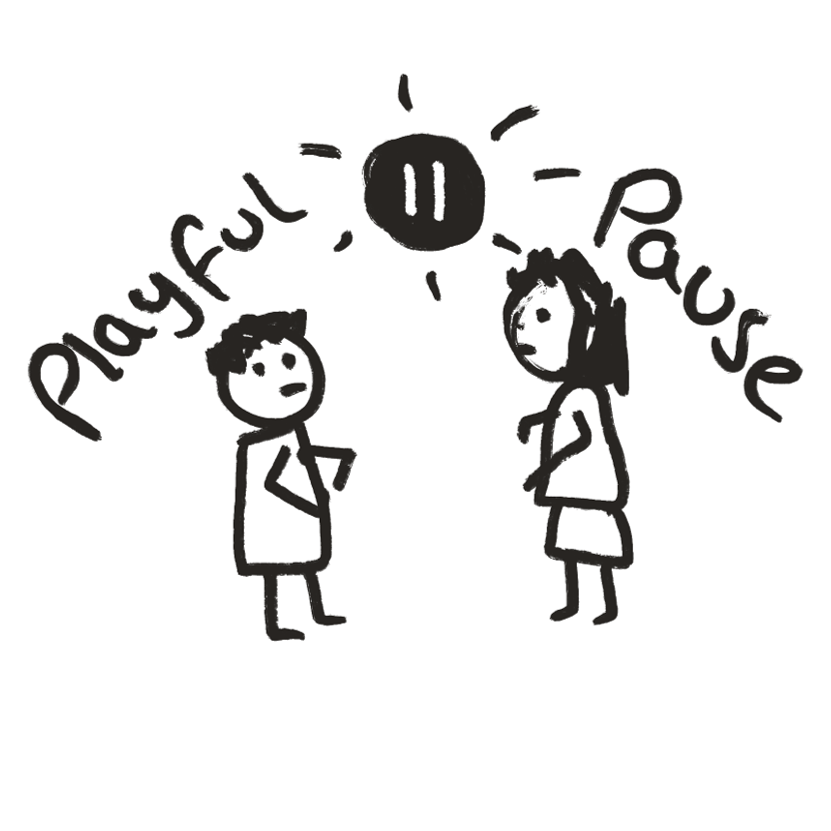
In this playful script, you create a tiny imaginative game (“Defiance Dragon”) to externalise the child’s defiance as something we can team up against playfully. The exact script can vary widely by age (for a teenager, humour might be more understated, like you suddenly doing a goofy dance and saying “Ugh, what a morning – shall we hit reset and start over?” with a grin). The essence is to surprise the child out of the stuck position with levity. Your willingness to be a bit silly shows the child it’s safe to drop their guard. Once the child smiles or giggles, even briefly, the emotional climate shifts – we (you and the child) are connected again, and the task or issue can often be revisited with less resistance.
What this pearl is all about
What you could say in the moment
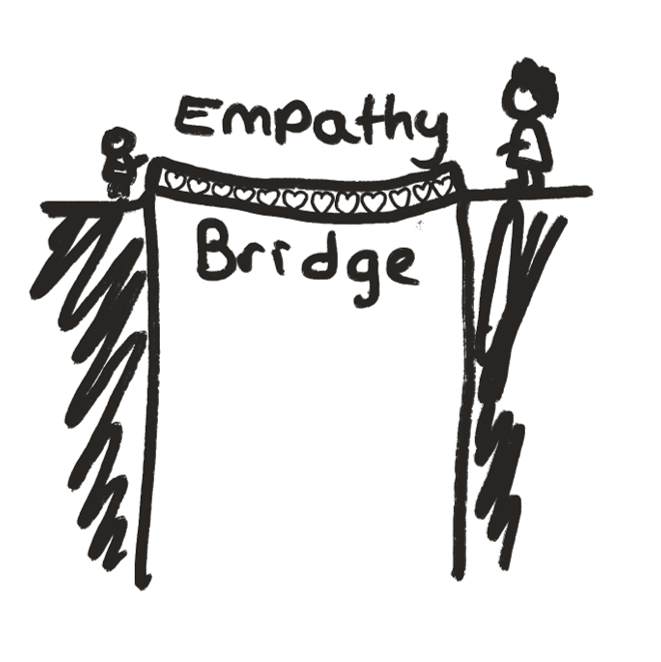
(In this script, you're naming and normalising the child’s likely feelings, showing empathy: “I’d feel the same if I were in your shoes.” There’s also an explicit assurance of presence: “I’m here… I’m not going anywhere,” which is crucial for a child worried about being given up on. The tone is gentle, not demanding a response. You might sit quietly nearby, or leave a soft toy or drawing materials as an invitation. The child then knows the bridge is there whenever they are ready to cross back into interaction. Even if the child doesn’t respond immediately, such messages sink in and over time the child will trust that the carer truly cares and empathises with them.)
Demo of Navigating our Courses